Yes, web development is still in demand in 2026, but the bar for entry-level roles has risen because AI coding tools now handle a lot of basic, repetitive coding work. Businesses still need custom websites and applications, and skilled developers remain genuinely hard to find. What has changed is that copying tutorials and basic syntax alone no longer gets you hired the way it might have a few years ago. This guide gives you an honest answer, plus a real, step-by-step roadmap for building the skills employers are actually asking for, including how a web development course in Sahiwal fits into that path.
This is a genuinely fair question to ask right now. AI tools that can write functional code in seconds have made a lot of people wonder if learning to code is still worth the effort. The honest answer is more nuanced than a simple yes or no, and understanding that nuance is exactly what separates people who build a real career here from people who give up early based on headlines alone.
Is Web Development Still in Demand in 2026?
Yes, demand for web development remains strong in 2026, since every business, from local shops to global companies, still needs websites, applications, and online systems that work well. What has genuinely shifted is competition at the entry level, since AI coding tools have lowered the barrier for producing basic, functional code, which means junior roles based purely on tutorial-level skills are harder to land than before.
AI is widely described across current industry commentary as a productivity multiplier for developers, not a replacement for them. Stack Overflow’s 2025 Developer Survey found that 84 percent of developers now use or plan to use AI tools in their workflow, yet a large share of developers still report not fully trusting AI-generated output without review. This gap is exactly why skilled human judgment remains valuable. AI can produce code quickly, but someone still needs to check it, understand it, and decide if it is actually right for the situation.
The honest takeaway is this: relying only on copy-paste tutorial knowledge is genuinely less viable now than it used to be. Employers are not looking for people who can produce basic code, since AI tools already do that quickly. They are looking for people who understand how systems fit together and can make good decisions, which is a different, deeper kind of skill.
This shift is not unique to web development either. Almost every technical field is going through the same adjustment right now, where AI tools raise the floor of what basic output looks like, which pushes the real value of a skilled human further up toward judgment, problem solving, and understanding the bigger picture. Web development happens to be one of the clearest examples of this shift, simply because AI coding tools have become so visible and widely used so quickly.
What Skills Do Employers Actually Want in 2026?
Employers in 2026 want developers who understand the full picture, not just one language in isolation, including how frontend, backend, and deployment all connect together. HTML, CSS, and JavaScript remain the non-negotiable foundation, since nothing else in web development makes sense without them. Git and GitHub, the tools used to track and manage code changes, are also treated as a baseline expectation now, not an advanced extra.
Beyond the foundation, frontend work increasingly involves frameworks like React, and growing use of meta-frameworks such as Next.js that build on top of React to handle routing, performance, and server-side rendering in one package. Backend work commonly involves Node.js with Express.js, or alternatives like PHP or Python, along with databases such as MongoDB for storing and organizing data. WordPress remains a major, practical part of the picture too, since a huge share of real business websites are still built and managed on it.
Comfort using AI coding tools effectively is now an expected skill layer on top of all of this, not an optional bonus. Developers who know how to use AI assistance to move faster, while still reviewing and understanding what it produces, are the ones employers describe as genuinely more competitive right now.
There is a useful way to think about this. AI is good at producing a first draft of code quickly. It is not reliably good at understanding the full context of a business problem, catching subtle mistakes, or making judgment calls about what a project actually needs. The developers who thrive treat AI as a fast starting point they then review and improve, not as a finished answer they simply accept.
Beginner’s Web Development Roadmap (Step by Step)
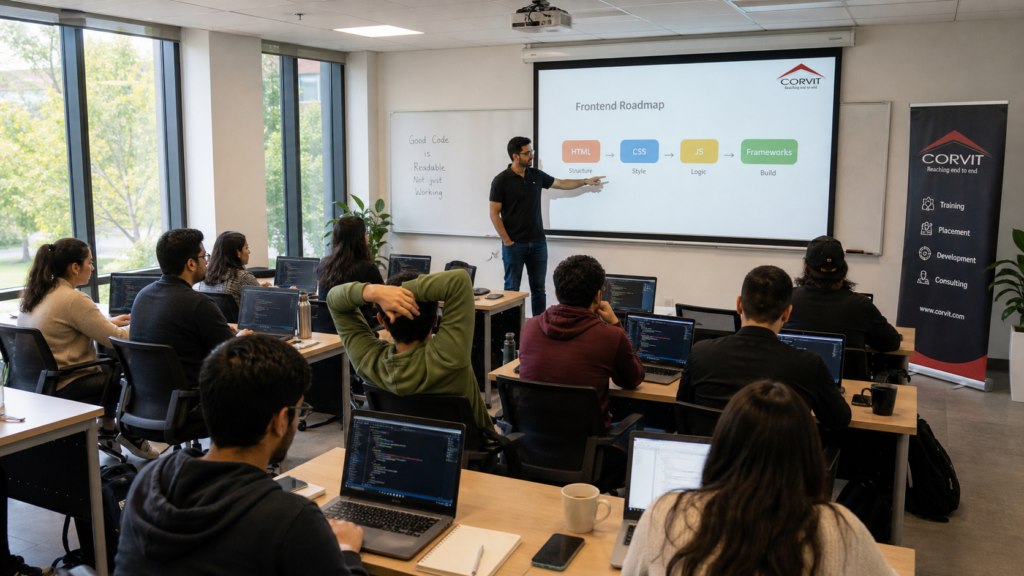
The realistic roadmap for a beginner is foundations first, then version control, then a chosen specialization, then real projects, in that order. Skipping ahead to frameworks before the fundamentals are solid tends to slow beginners down rather than speed them up, since frameworks are built on top of concepts you need to already understand.
Step 1: Learn HTML, CSS, and JavaScript
HTML, CSS, and JavaScript are the non-negotiable starting point for anyone learning web development. HTML structures a page, CSS styles it, and JavaScript makes it interactive. Every framework, every backend system, and every advanced tool eventually connects back to these three fundamentals, which is why rushing past them tends to create gaps that show up later.
Step 2: Learn Git and GitHub
Git and GitHub are practical, expected skills from day one, not an advanced afterthought for later. Git tracks changes to your code over time, and GitHub is where developers store, share, and collaborate on projects. Even working alone on practice projects, using Git from the start builds a habit that every real job and freelance project will expect you to already have.
Step 3: Choose a Specialization
Choosing a specialization means picking a direction: frontend, backend, or a faster practical entry point like WordPress-based development. Frontend specialization builds toward frameworks like React and eventually meta-frameworks like Next.js. Backend specialization builds toward Node.js with Express.js, or alternatives like PHP or Python, along with working with databases.
WordPress development is worth calling out honestly as a faster, realistic path to real client work for many beginners, since a large share of small business and freelance web work still runs on it. A full custom frontend and backend stack, like a complete React and Node.js setup, is a genuinely valuable direction too, but it generally takes longer to reach job-ready or client-ready level in.
Neither direction is objectively better than the other. WordPress development tends to reward beginners with real, paid work sooner, since the learning curve to a professional-looking result is shorter. A full custom stack tends to reward patience with more flexibility and higher ceiling projects later on, once the deeper fundamentals are genuinely solid. Choosing between them honestly comes down to how quickly you want to start earning versus how far you eventually want to specialize.
Step 4: Build Real Projects
Building 2 to 3 genuine, complete projects beats passively following many tutorials without ever finishing your own work. A real project forces you to solve problems tutorials do not cover, which is exactly the kind of practical judgment employers are looking for now. This is also where AI tools genuinely help, speeding up repetitive parts of a project so you can spend more time on the parts that actually build real skill and understanding.
How to Start Learning Web Development in Sahiwal
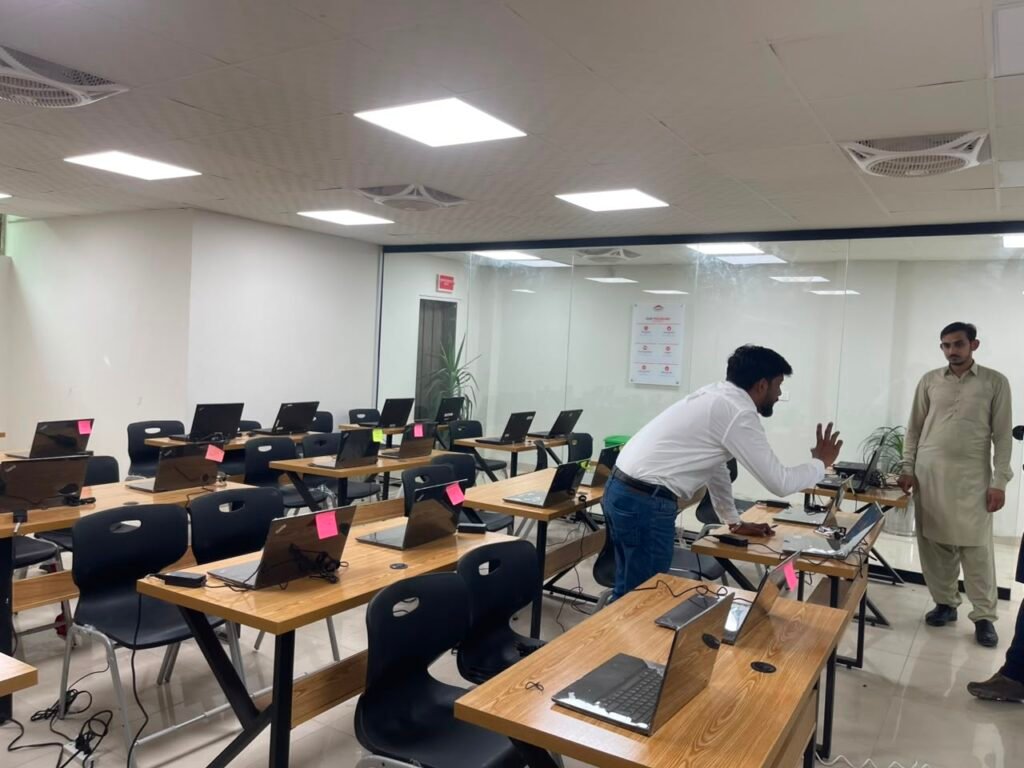
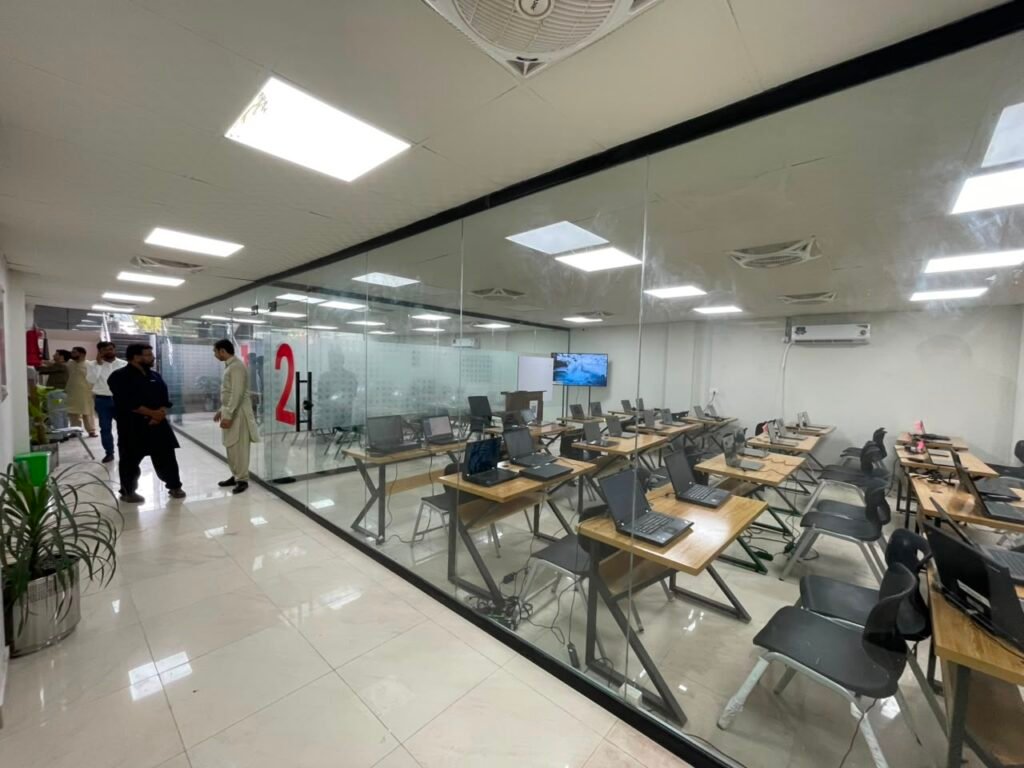
The practical local starting point for learning web development in Sahiwal is Corvit Sahiwal’s Website Development course, which builds foundational web development skills, including WordPress, for students with no prior technical background. This course is built for logical, step-by-step thinkers who want to see real projects come together, not just watch theory slides.
It is worth being clear about what comes next after the course too. Students aiming for a full React, Node.js, and database-driven career path should expect to keep building beyond the course itself, continuing with real projects and ongoing practice, the same way the roadmap above describes. A structured course gives you the real foundation, and consistent practice afterward is what turns that foundation into genuine, job-ready skill.
Learning alongside peers and getting real feedback also matters more than most self-taught beginners expect. It is easy to build small habits that work fine on your own but would confuse a client or a hiring manager, and structured training with actual instructor feedback catches these gaps early, before they turn into harder habits to unlearn later.
Is Web Development a Good Career Choice From Sahiwal?
Yes, web development remains a genuinely good career choice from Sahiwal, since remote work and freelancing have made location far less of a barrier than it used to be. Clients hiring for WordPress sites, small business websites, or freelance development work generally care about your skill and portfolio, not which city you are working from.
WordPress-based freelance and local business work is a realistic, faster starting point for many beginners here, since demand for practical, affordable website work remains steady locally and through freelance platforms. Building toward a more advanced frontend or backend specialization afterward is a genuine long-term option too, for students willing to keep learning and building real projects well past their first course.
Frequently Asked Questions
Is web development still worth learning in 2026?
Yes, web development remains worth learning in 2026, since businesses continue to need custom websites and applications, and skilled developers remain in demand. The entry-level bar has risen because of AI tools, which makes real, layered skill more important than ever.
Will AI replace web developers?
No, AI is generally described as a tool that speeds up repetitive coding tasks rather than a replacement for skilled developers. Human judgment is still needed to review AI-generated code, understand business needs, and make decisions AI tools cannot make on their own.
Should I learn frontend or backend first?
Most beginners start with frontend fundamentals, HTML, CSS, and JavaScript, since these apply everywhere and are the easiest to see visible results from early on. Backend skills like Node.js or databases typically come next, once the frontend foundation feels solid.
Do I need to know React to be a web developer?
Not immediately, but React is widely used in frontend development and worth learning once your HTML, CSS, and JavaScript fundamentals are solid. WordPress-based development is a realistic alternative path that does not require React at all.
Is WordPress development a good starting point?
Yes, WordPress development is a genuinely good starting point for many beginners, since a large share of real business and freelance web work still runs on it. It offers a faster, more practical route to real client work compared to a full custom frontend and backend stack.
How long does it take to become job-ready in web development?
Timelines vary based on effort and consistency, but most beginners need several months of focused learning and real project work before feeling genuinely job-ready or client-ready. Rushing past the fundamentals tends to slow this timeline down, not speed it up.
Where can I find a good web development course in Sahiwal?
Corvit Sahiwal offers a web development course in Sahiwal that covers foundational skills, including HTML, CSS, JavaScript, and WordPress, built for beginners with no prior technical background.
Final Thoughts
Web development is still in demand in 2026, but the honest path forward means learning real, layered skills instead of relying on basic tutorial knowledge alone. A web development course in Sahiwal is a solid place to build that foundation, and consistent project work afterward is what carries it the rest of the way. Get in touch with Corvit Sahiwal to start building the skills this roadmap actually depends on.