Graduation does not automatically make you job-ready. A degree or diploma gets you in the door for some applications, but what employers actually evaluate is demonstrated, practical skill alongside those credentials. The next 90 days after your exams are the most important window you will have for building the skills, portfolio, and professional presence that make a real difference. This article gives fresh graduates in Sahiwal a clear, honest career roadmap for exactly that window.
Why the 90 Days After Graduation Matter Most
The period immediately after graduation is the longest uninterrupted block of time most graduates will have before employment, postgraduate study, family responsibilities, or other commitments begin to fill the day. Once any of those starts, the clean, full-day availability that makes fast, focused skill-building possible disappears.
Most graduates waste this window. They browse job boards without a portfolio to show. They send CVs with no relevant practical skills listed. They plan to start learning something “soon” and defer it for weeks until the window is gone. This is the most common and most costly mistake a fresh graduate can make.
Sahiwal already has strong academic institutions. COMSATS University Sahiwal and the University of Sahiwal both offer computing and related programs that give graduates real academic credentials. But employers across Pakistan increasingly care about demonstrated practical skill alongside those credentials, not instead of them. A computer science degree from COMSATS Sahiwal is valuable. A computer science degree plus a real project portfolio in a specific in-demand skill is significantly more competitive.
Month 1: Choose Your Direction and Start One Skill
The first month is for making a clear, committed decision about direction and starting structured training immediately. Graduates who spend the first month exploring everything and committing to nothing are already behind by week five.
Step 1: Assess Your Strengths Honestly
Spend the first week identifying whether you lean more toward technical, creative, or business-oriented work before choosing a course or career path. This does not require a formal assessment. Look at which subjects you genuinely enjoyed studying, which types of tasks you finish without losing focus, and which kind of daily work you find energizing rather than draining.
Technical and logical thinkers tend to do well in Website Development, AI, or Cybersecurity. Creative thinkers tend to find their energy in Graphic Design and Video Editing. Business-minded and people-oriented graduates tend to do well in Digital Marketing or SEO. Your honest answer about which type of work you find yourself drawn to is more reliable than any external ranking of “best” courses.
Step 2: Choose One Career Path, Not Several
Pick one direction and commit to it for the full 90 days. Trying to learn two or three skills simultaneously dilutes all of them, producing surface-level awareness across multiple fields rather than genuine competency in any one.
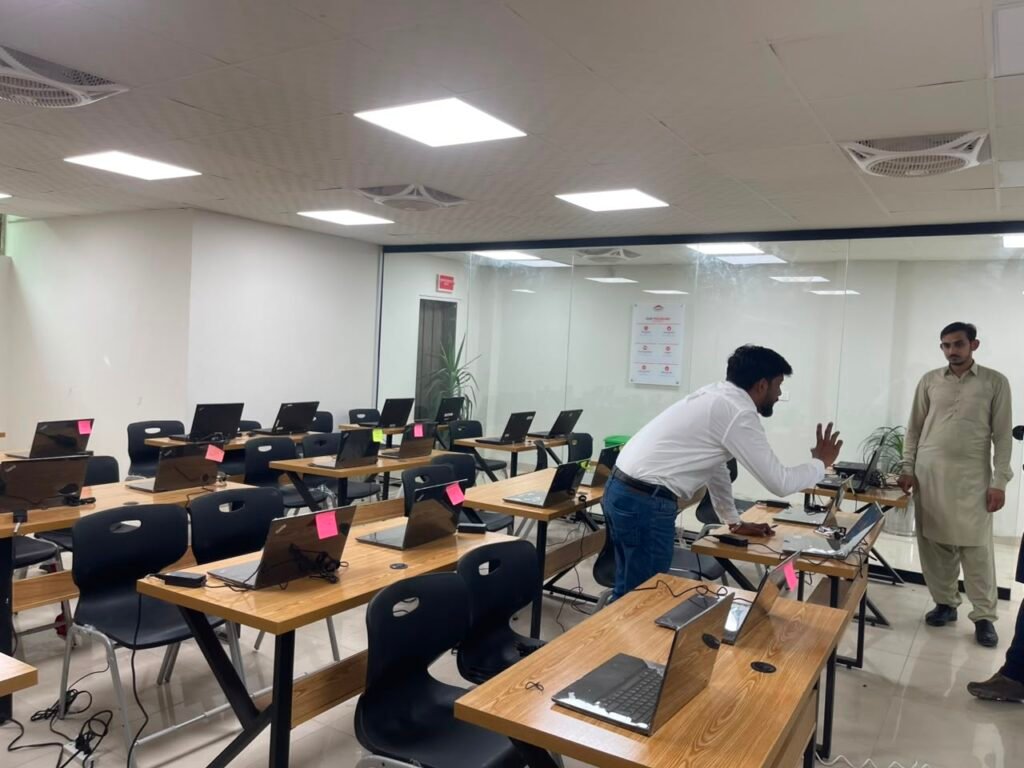
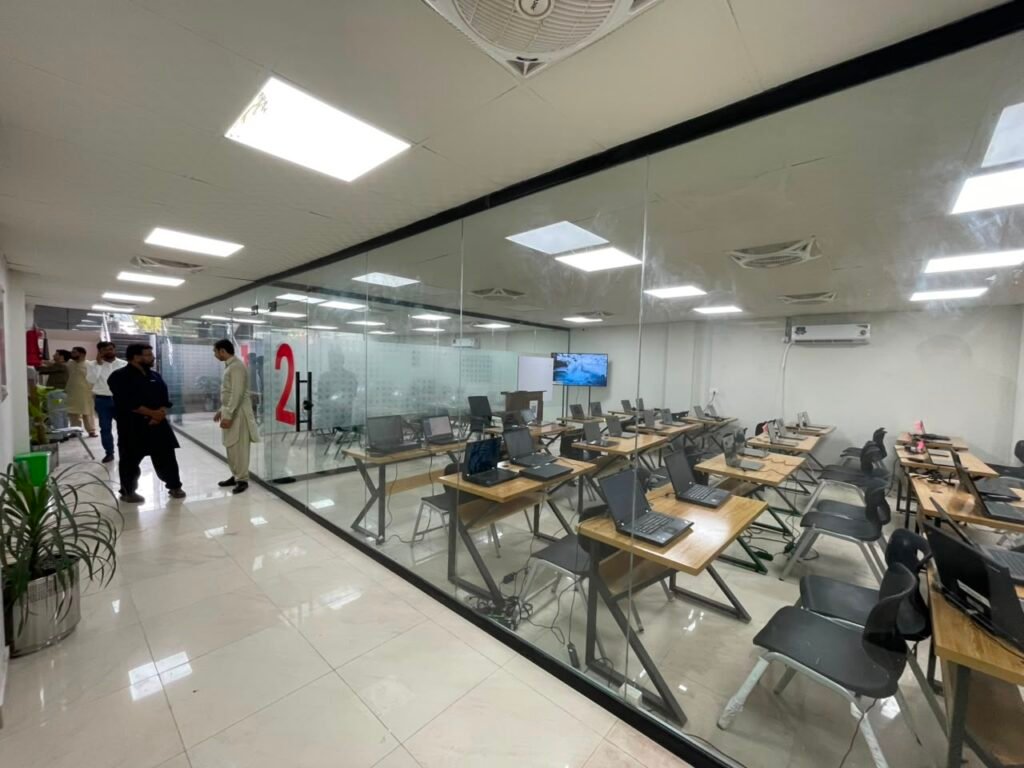
Corvit Sahiwal’s six current courses cover the full range of practical, in-demand starting points locally: Artificial Intelligence, Cybersecurity and Ethical Hacking, Website Development, Digital Marketing, SEO, and Graphic Design and Video Editing. All six are available at one location in Sahiwal. Explore the full list at Corvit Sahiwal’s training page and pick the one that matches your honest self-assessment from Step 1.
Step 3: Start Structured Training Immediately
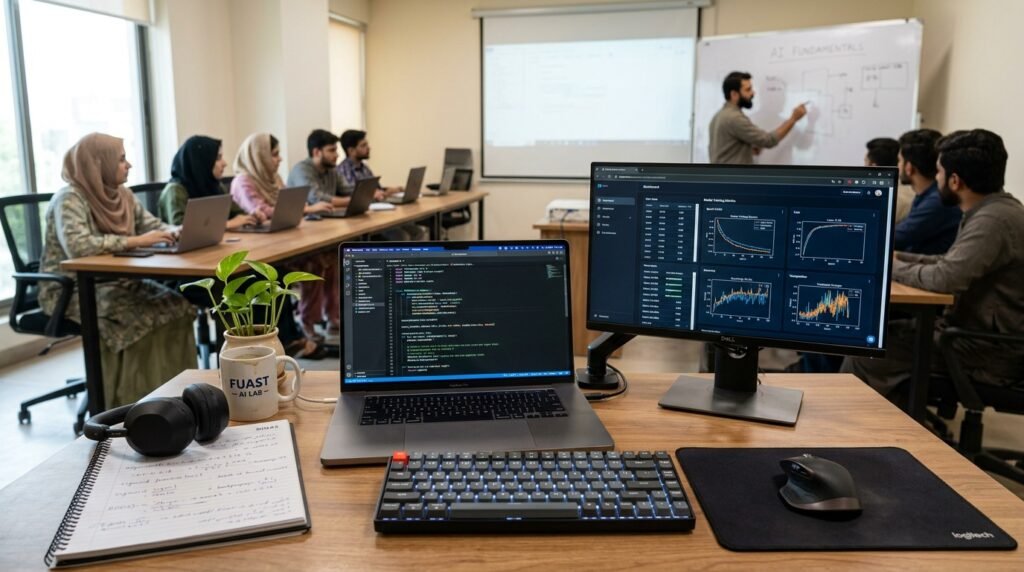
The difference between graduates who are employed within six months of finishing their degree and those who are not usually comes down to whether they spent this window building real skill or waiting. Waiting is not a strategy. A structured course that requires hands-on project work from day one is the fastest and most reliable path to the portfolio that employers actually evaluate.
Self-study from scattered online tutorials is an option, but it consistently produces weaker portfolios for beginners than structured training with real instructor feedback, since bad habits go uncorrected and unfinished projects stay unfinished without external accountability.
Month 2: Build Proof of Skill
The second month is for turning course learning into visible, shareable proof of skill. This is where most graduates make a second critical mistake: they complete training without producing anything they can show.
Step 4: Complete Real Projects During the Course
Treat every course exercise as a potential portfolio piece from the very first week, not just practice to be discarded after marking. Save finished work. Revisit earlier pieces with skills you have since built and improve them. By the end of month two, a graduate who has treated every session as portfolio-building work has two or three finished pieces ready to show.
For design students, this means real logo and social media content sets. For web development students, this means a functional practice site. For digital marketing students, this means a documented mock campaign. For SEO students, this means a full site audit with findings and recommendations. For cybersecurity students, this means documented lab exercises. For AI students, this means a real automation workflow or a structured prompt library solving a specific, practical problem.
Step 5: Build a Portfolio
A portfolio of two or three completed, show-able pieces beats a blank CV with a certificate attached. Clients and employers want evidence of what you can do, not just evidence that you attended a course.
Post design and video work on Behance or Dribbble. Put web development projects on GitHub with a clear README explaining what the project does. Package SEO audits and digital marketing case studies into a clean PDF that can be shared directly. Keep the portfolio focused on quality over quantity. Two strong pieces are more compelling than eight weak ones.
Step 6: Set Up a Professional LinkedIn Profile
LinkedIn is where most Pakistan-based recruiters, small business owners, and remote employers search for entry-level IT candidates. A profile that is incomplete or clearly untouched since university registration sends the wrong signal before a conversation even begins.
A strong LinkedIn profile for a fresh graduate includes a clear, professional photo, a concise “about” section that states your skill and what kind of work you are looking for, your completed course and any certifications, links to portfolio work, and your contact details. Connect actively with instructors, classmates, and local business owners rather than leaving the network passive.
Step 7: Prepare a Targeted CV
A one-page CV tailored to the specific type of role you are applying for is more effective than a multi-page generic document. Include your relevant skill, the course or training that produced it, specific portfolio projects by name, your education, and your LinkedIn URL. Put the most relevant information on the first half of the page, since that is what a hiring manager reads before deciding whether to continue.
Month 3: Start Applying and Building Income
The third month is for active job-seeking, freelancing, and networking. Graduates who have completed months one and two properly are in a genuinely competitive position. Those who skipped the portfolio-building phase are not, regardless of which course they completed.
Step 8: Apply for Internships and Entry-Level Jobs
Internships and entry-level roles are the realistic starting point, not senior positions. Search on LinkedIn, Rozee.pk, and local networks. Reach out directly to small businesses in Sahiwal and nearby cities such as Okara, Pakpattan, and Chichawatni that might need the specific skill you have built. Many local businesses hire for practical skills without formal job postings, simply because they do not know where to look. A direct, professional outreach with a portfolio link is often more effective than applying through a job board.
Step 9: Start Freelancing if Appropriate
Freelancing on Fiverr and Upwork is a realistic parallel income path for Digital Marketing, SEO, Graphic Design, and Website Development graduates who have real portfolio pieces to show. The first client is always the hardest. Set up a profile with your portfolio work, price your first few projects slightly below your eventual target rate to attract initial reviews, and treat the first client with the same standard you would give your tenth.
AI graduates can freelance using AI-assisted workflows for content, research, and automation tasks for small business clients. Cybersecurity freelancing is less common for beginners and typically develops after additional hands-on lab experience beyond a first course.
Step 10: Network Actively
Most entry-level roles in Pakistan are filled through connections, not purely through job board applications. Attend any local business or professional events in Sahiwal. Connect on LinkedIn with Corvit Sahiwal instructors and alumni who are already working in the field. Reach out to five to ten local businesses each week with a short, specific message about what you can offer, not a generic “I am looking for work” note.
Pakistan’s National Vocational and Technical Training Commission also runs career linkage support for graduates of affiliated training programs, which is worth exploring as an additional job-search resource alongside direct applications and freelancing.
Frequently Asked Questions
What should fresh graduates in Sahiwal do right after exams?
Spend the first 90 days building one focused, practical IT skill through structured training, producing real portfolio work during that training, setting up a professional LinkedIn profile, and then actively applying for internships, entry-level roles, and freelancing opportunities. Passive waiting is the most common and costly mistake in this window.
Which IT course is best for fresh graduates in Sahiwal?
The best course depends on your genuine strengths and interests. Corvit Sahiwal offers six practical options locally: AI, Cybersecurity and Ethical Hacking, Website Development, Digital Marketing, SEO, and Graphic Design and Video Editing. Technical thinkers tend to do better in the first three; creative and business-minded graduates tend to do better in the last three.
Can a fresh graduate get a job in IT without experience?
Yes, but the standard “no experience” approach of sending a CV with just a degree attached rarely works. What opens doors is a real portfolio of completed projects alongside a recognized course certificate. Employers and clients care about demonstrated, show-able skill, not just credentials.
How long does it take to become job-ready after an IT course?
For Digital Marketing, SEO, and Graphic Design, a structured course of two to three months followed by consistent portfolio-building can put a graduate in a genuinely competitive position for entry-level roles and freelancing. For Website Development and Cybersecurity, the same course period builds a strong foundation, but professional-level readiness typically requires additional months of continued practice.
Is freelancing realistic for fresh graduates in Sahiwal?
Yes, for graduates who complete a practical course and build a real portfolio during it. Digital Marketing, SEO, Graphic Design, and Website Development all have active freelance markets on Fiverr and Upwork. Realistic income takes months of consistent work and review-building to develop, not weeks.
How do I build a portfolio as a fresh graduate with no work experience?
Build portfolio pieces during your course itself, not after. Every project exercise is a potential portfolio piece. For real-world feel, pick an actual local business, even one with no connection to you, and build a mock campaign, design, audit, or website for it. Two or three strong, finished examples are enough to start applying and pitching clients.
Final Thoughts
The 90 days after graduation are a genuine opportunity that most fresh graduates in Sahiwal underuse. A structured IT course, consistent project work, a professional online presence, and active job-seeking in this window make a real, measurable difference to how quickly you move from graduate to employed or earning. This is the career roadmap for fresh graduates in Sahiwal that actually works. Get in touch with Corvit Sahiwal to find out which course fits your direction and when the next batch starts.