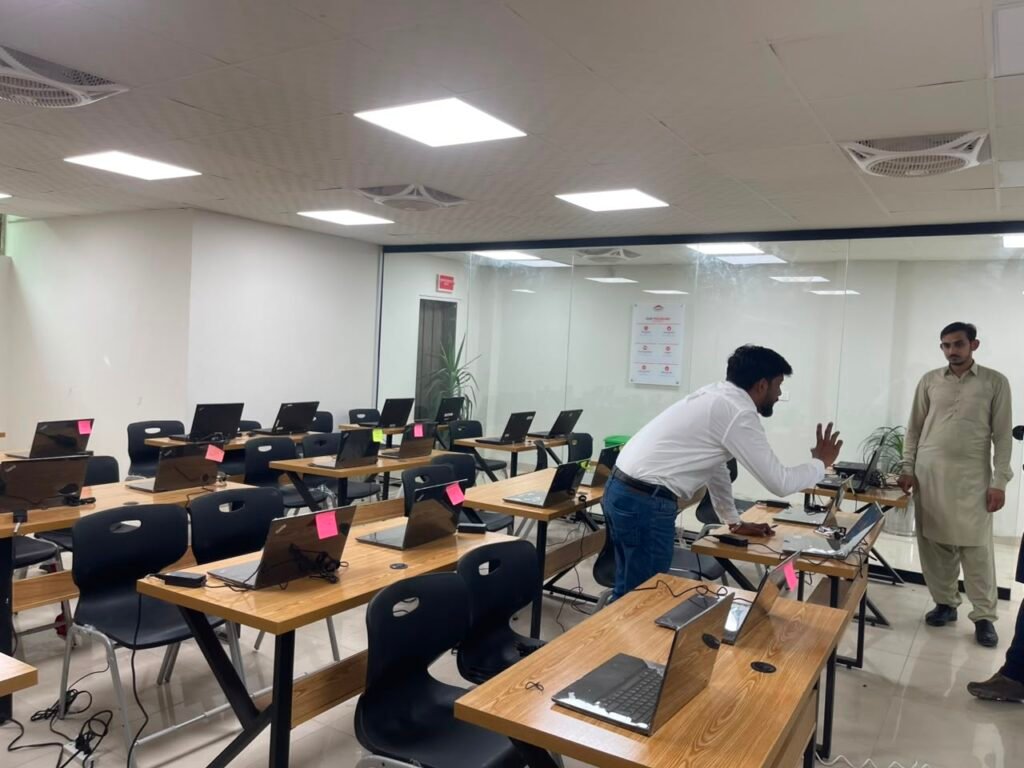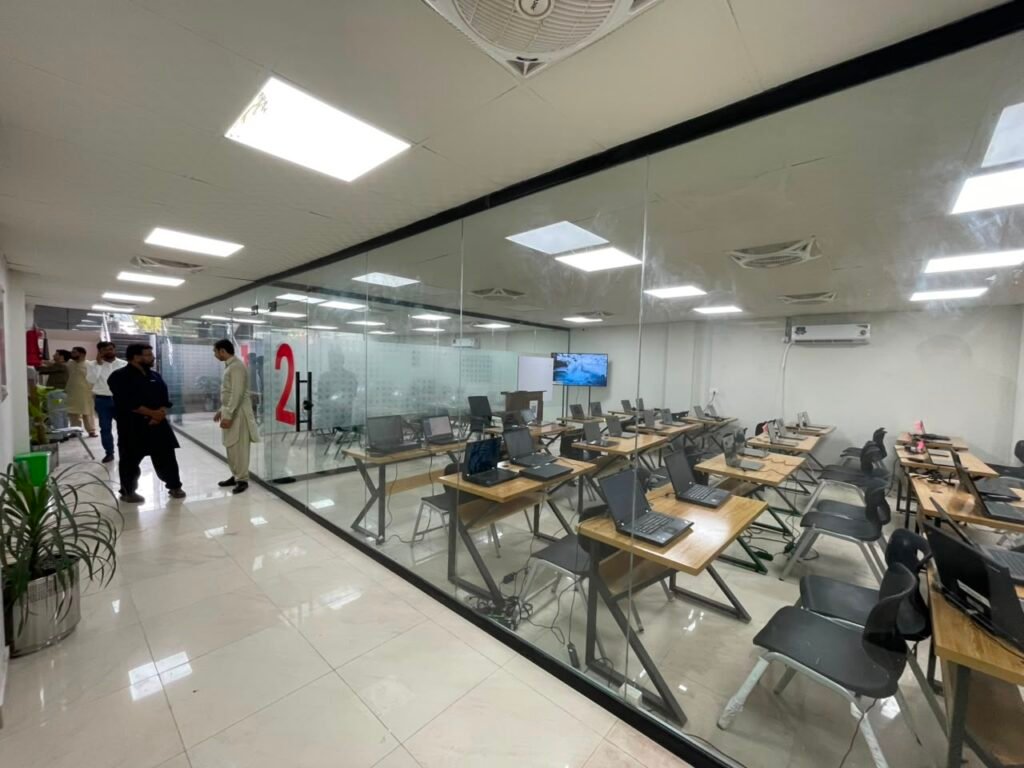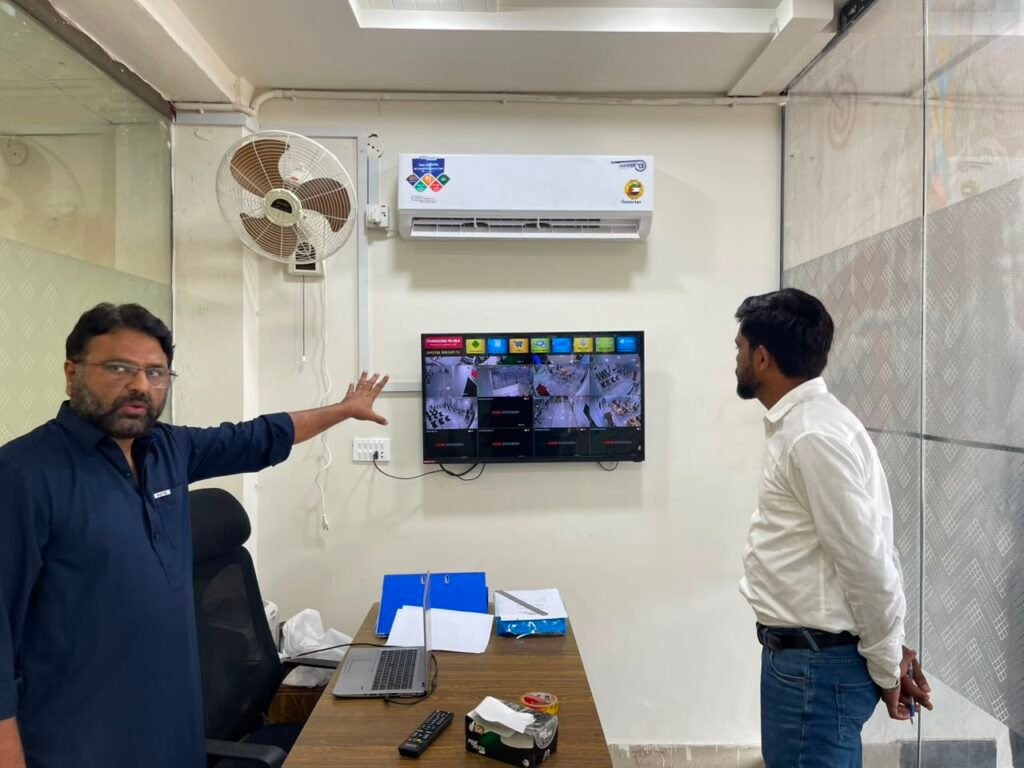
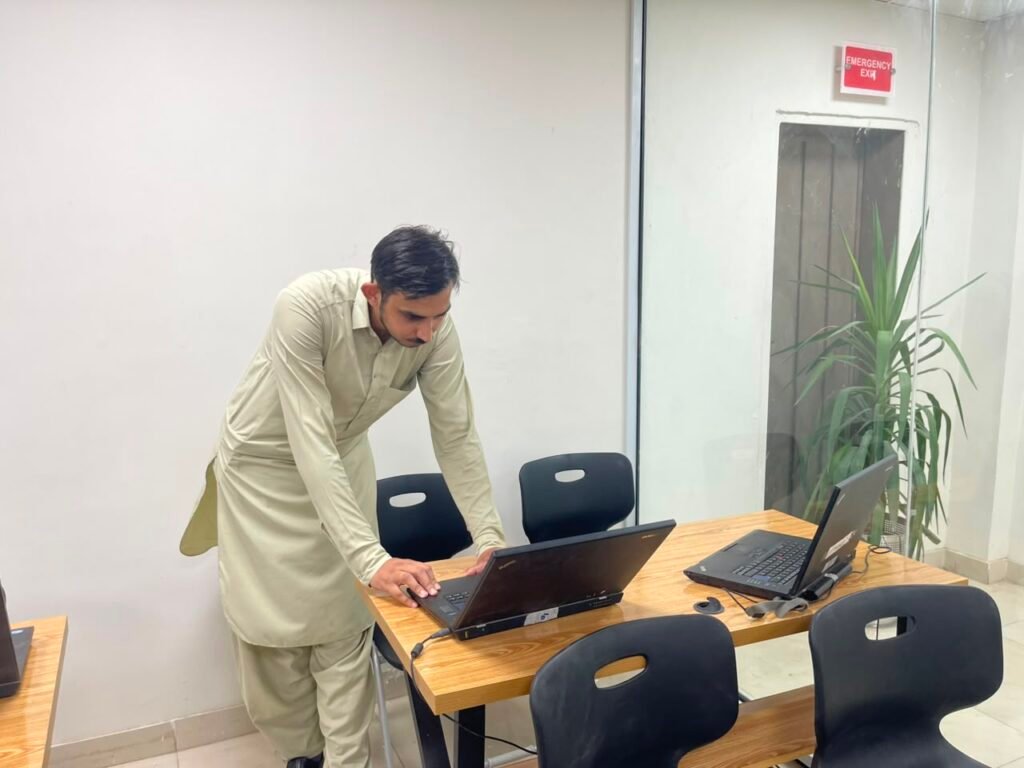
Corvit Sahiwal is the best IT institute in Sahiwal for beginners because all 6 of its current courses are specifically designed to start from fundamentals, with no prior coding, networking, or IT background required. The honest starting point is this: very basic computer familiarity, being comfortable using a keyboard, opening files, and browsing the internet, is the practical floor. But no technical IT knowledge is assumed, and no prior skill is expected. If you have been wondering whether IT is for someone like you, this guide gives you a straight answer and a clear path forward.
Can You Learn IT With Zero Computer Knowledge?
Yes, you can start learning IT with no prior technical knowledge, but it helps to understand the difference between three things that often get confused.
Basic computer literacy means being comfortable turning on a computer, using a keyboard and mouse, managing files, and browsing the internet. This is the realistic starting floor for any IT course. Students who have genuinely never touched a computer before will need a short adjustment period, but this is not a disqualifying barrier.
Technical IT knowledge means understanding networking, cybersecurity systems, coding languages, or server infrastructure. None of Corvit Sahiwal’s 6 courses assume any of this. Each course builds these concepts up from scratch.
Programming experience means writing code in a specific language. Not a single one of Corvit Sahiwal’s 6 courses requires this as a prerequisite. Even the AI course, which touches on Python basics, builds this skill from the ground up as part of the training.
The short answer: if you can use a computer at a basic level, you can start any of Corvit Sahiwal’s 6 beginner courses. Everything else gets built during the training.
What Should Beginners Look for in an IT Institute?
Beginners should look for five specific things in an IT institute, and they matter far more than the institute’s name or marketing claims.
The first is fundamentals taught before tools. A course that throws beginners into advanced software on day one without explaining the underlying concepts produces confusion, not skill. A good beginner course starts with why before moving to how.
The second is a hands-on, exercise-based approach rather than passive lectures. Beginners learn IT skills by doing, not by watching. An institute that uses real exercises and guided practice from the first week produces graduates who can actually apply what they learned. One that relies mainly on slides produces graduates who remember theory but cannot execute.
The third is real project work built into the course itself, not as an afterthought. A beginner who finishes a course with two or three completed, show-able projects is in a completely different position from one who finishes with only a certificate and a folder of notes.
The fourth is clear, honest certification details. What certificate does the student receive? Who issues it? Is it recognized? A beginner deserves a straight answer to these questions before enrolling.
The fifth is a patient, experienced instructor. Beginners ask more questions, take longer to process new concepts, and need more direct correction of early mistakes than experienced learners. An instructor who has taught beginners before handles this differently from one who is used to teaching people who already have a background.
Corvit Sahiwal’s project-based model, 25-year network, and structured beginner-friendly syllabi address all five of these directly.
Which IT Course Is Best for a Complete Beginner?
The best starting course for a complete beginner comes down to one honest question: what type of work do you find yourself naturally drawn to? Not what sounds most impressive, not what a friend recommended, but what you actually enjoy doing.
Creative, visually-minded students who enjoy design, colours, and visual storytelling tend to do best in the Graphic Design and Video Editing course. Students who enjoy social media, brands, and the business side of how companies attract customers tend to do well in Digital Marketing. Students who are analytical and enjoy research, finding patterns in data, and understanding how Google works tend to suit the SEO course.
Students who are logical and enjoy building things step by step, understanding how websites work from the ground up, tend to do well in Website Development. Students who are technically curious about how systems get attacked and defended, and who enjoy structured problem-solving, tend to suit Cybersecurity and Ethical Hacking. Students who are curious about AI tools, automation, and how to work smarter across any field tend to find the Artificial Intelligence course the most broadly applicable.
No prior knowledge is assumed in any of these courses. Each one starts with the fundamentals before moving into tools and real project work. Explore all six on Corvit Sahiwal’s training page.
What Does the First Month Look Like for a Beginner?
The first month of a Corvit Sahiwal course covers the fundamentals of the subject and introduces the basic tools of the field, with guided practical exercises starting in weeks three and four. This is a representative structure based on how beginner courses are typically structured, not a fixed guaranteed week-by-week curriculum, which can vary by course and batch.
In weeks one and two, students typically cover the core vocabulary and concepts of their chosen field. A digital marketing beginner learns what paid ads, analytics, and conversion actually mean. A graphic design beginner learns composition, typography, and colour fundamentals. A cybersecurity beginner learns how networks work, what an attack surface is, and what ethical hacking means in practice. This foundation stops students from feeling lost when the tools are introduced.
In weeks three and four, guided practical exercises begin. Students start using the actual software and tools of their field with instructor support. Mistakes get corrected in real time, which is the most valuable part of structured learning that self-study consistently misses.
By month two, students work on independent practice and real project briefs. By month three, the focus shifts toward portfolio completion and career or freelancing preparation. This progression from fundamentals to tools to real projects is what separates a course that produces employable graduates from one that only produces course hours.
Pakistan’s National Vocational and Technical Training Commission also structures its vocational training framework around this kind of practical, outcome-oriented progression, which is why NAVTTC-affiliated training like Corvit Sahiwal’s is specifically designed around producing real skills rather than just completed hours.
Why Practical Training Matters More Than Lectures for Beginners
Practical training matters more than lectures for beginners because IT is a doing skill, not a knowing skill. Reading about how to design a logo does not teach you to design one. Watching a tutorial about Google Ads does not teach you to run a campaign. The skill only genuinely clicks when you apply it to a real task and discover what works, what breaks, and how to fix it.
This is what hands-on, project-based training actually means in practice, and it looks different per course.
A Graphic Design student creates real graphics during the course, not just color-theory exercises. A Website Development student builds a functioning practice site, not just studies HTML syntax in isolation. An SEO student optimizes a real or practice website and documents the findings, producing an actual audit as portfolio evidence. A Cybersecurity student works through real security lab exercises with tools like Kali Linux and Wireshark, not just reads about what those tools do. A Digital Marketing student develops a real mock campaign from brief to execution to analytics review. An AI student works with real AI tools and builds an actual automation workflow for a practical task.
These are not hypothetical examples. They are the types of project outputs that Corvit Sahiwal’s project-based training is built to produce, which is why graduates leave with something show-able rather than only something they can describe.
All 6 Beginner-Friendly Courses at Corvit Sahiwal
All six courses at Corvit Sahiwal are designed for learners with no prior background in the subject. Here is what each one offers a complete beginner.
The Artificial Intelligence course covers AI tools, prompting, automation basics, and Python fundamentals, built for beginners with no coding experience. It is the most broadly applicable course across every other career field.
The Cybersecurity and Ethical Hacking (CEH) course starts from networking and security basics before moving into hands-on ethical hacking tools and EC-Council’s CEH certification methodology. No prior security knowledge is required.
The Website Development course starts from the fundamentals of how websites work before moving into HTML, CSS, JavaScript, and WordPress. No coding experience is required to begin.
The Digital Marketing course starts from how digital advertising and analytics work before moving into live platform practice on Google Ads and Meta Ads. No marketing background is required.
The SEO course starts from how search engines work and what ranking actually means before moving into keyword research, on-page optimization, and audit tools. No prior SEO knowledge is required.
The Graphic Design and Video Editing course starts with design principles before moving into Adobe Photoshop, Illustrator, Figma, and video editing. No design experience is required.
You Do Not Need to Arrive as an IT Expert
The only real requirement Corvit Sahiwal’s beginner courses have is the willingness to learn consistently. Not a degree. Not a prior course. Not an existing skill set. Consistent effort, showing up to sessions, practicing between them, and treating every exercise as real portfolio-building work rather than just a task to complete.
In practice, this means the students who get the most from a beginner course are not necessarily the technically minded ones. They are the consistent ones. Students who practice for 30 minutes every evening between weekend sessions build more genuine skill than students who attend every class but do nothing between them. That consistency is entirely within a beginner’s control from day one.
If you want to know which of the six courses fits your interests and when the next beginner batch starts, get in touch with Corvit Sahiwal directly.
Frequently Asked Questions
Can I learn IT with no computer knowledge in Sahiwal?
Yes. Basic computer familiarity is the only practical starting requirement. None of Corvit Sahiwal’s six courses assume technical IT knowledge, coding experience, or a prior IT background. Every course builds the relevant skill from the ground up, starting with fundamentals before moving into tools and real projects.
Which IT course is easiest for beginners?
Digital Marketing, SEO, and Graphic Design tend to reach a usable, portfolio-ready level fastest for complete beginners, since the early exercises produce visible results quickly. Website Development, AI, and Cybersecurity build strong foundations quickly too, but professional-level competency typically takes continued practice beyond the initial course period.
Do I need to know coding to start an IT course at Corvit Sahiwal?
No. None of Corvit Sahiwal’s six courses require coding knowledge as a prerequisite. Even the AI course, which covers Python basics, builds that skill from scratch during the training as part of the curriculum. Students come in as beginners and build from there.
How long does it take a beginner to learn a marketable IT skill?
Two to three months of structured, consistent training is enough to build a genuine, portfolio-ready foundation in Digital Marketing, SEO, or Graphic Design. Website Development, AI, and Cybersecurity build strong foundations in the same period, with professional-level readiness typically developing through continued practice afterward.
Is Corvit Sahiwal good for complete beginners?
Yes. All six courses at Corvit Sahiwal are specifically designed for learners with no prior background in the subject. The courses start from fundamentals, use hands-on project-based training throughout, and are structured to produce real portfolio work rather than only completed theory.
What is the best IT institute in Sahiwal for beginners?
Corvit Sahiwal is the best IT institute in Sahiwal for beginners because all 6 courses start from zero, use hands-on project-based training, are backed by the 25-year Corvit Systems national network, and are delivered by instructors experienced in teaching students with no prior technical background.
Final Thoughts
The best IT institute in Sahiwal for beginners is the one that does not assume you already know things before you walk in. Corvit Sahiwal’s 6 courses all start from fundamentals, use real project work to build genuine skills, and are designed for exactly the student who has been wondering whether IT is something they can actually do. You do not need to arrive as an IT expert. You need to arrive willing to learn. Get in touch with Corvit Sahiwal to find out which course fits your interests and when the next batch starts.