Corvit Systems national presence means that students in Sahiwal have access to IT training connected to a curriculum framework, certification alignment, and practical learning standards built and refined across a multi-city national network since 2000. The real question for a prospective student is not which city the classroom is in. It is whether the training follows current industry standards, includes practical work, and gives access to experienced instructors and structured learning outcomes. This article explains what the national connection actually means for a Sahiwal student, what it is designed to deliver, and what to verify before enrolling.
Does Training in Sahiwal Mean Lower Standards?
Location alone does not determine training quality. A course in Lahore or Islamabad taught passively from outdated slides produces worse outcomes than a well-structured, hands-on course in Sahiwal. The city on the institute’s address does not determine what you learn or how well you learn it.
The five questions that actually predict training quality are: who designed the curriculum and how recently was it updated, who teaches the course and what are their relevant qualifications, are practical lab sessions and real project work included, what certification frameworks does the training connect to, and what will a student have produced by the end. These five factors are verifiable before you enroll. The city is irrelevant to all five of them.
Corvit’s national presence across cities including Lahore, Islamabad, Rawalpindi, and Peshawar provides a relevant frame for why these questions have specific answers at Corvit Sahiwal. A training organization that has built and delivered structured IT education across multiple cities for 25 years has had to answer all five of these questions consistently, not just in one location.
What Does “National Standards” Actually Mean?
National standards in IT training means a structured curriculum framework, regularly updated course content, practical lab-based learning, relevant certification alignment, and quality evaluation processes. It does not mean that a brand name alone transfers quality from one campus to another.
What a student should expect to see if a national standard is genuinely being applied: learning objectives that are clearly defined per session rather than vague, course content that reflects the tools and frameworks currently used in the industry, practical exercises that progress toward real project output, instructor qualifications that are relevant to the specific course being taught, and a certification alignment that points toward internationally recognized credentials where they exist.
The national connection is designed to deliver these standards. Students should verify that they are present in their specific batch before committing, which is what the checklist section later in this article is for. A claim about national standards only has meaning when it is visible in the actual learning experience.
The Curriculum Matters More Than the City
A student in Sahiwal should not choose a course simply because it is nearby. The relevant question is what they will specifically learn and whether the curriculum matches what employers and freelance clients actually need in 2026.
Corvit’s wider national network covers a broad range of technology areas including networking, cybersecurity, cloud computing, DevOps, ethical hacking, web development, graphic design, SEO, and digital marketing. This breadth reflects 25 years of curriculum development across a multi-city organization, not a single local provider assembling a course list from scratch.
Corvit Sahiwal’s six current courses, covering AI, Digital Marketing, SEO, Website Development, Graphic Design and Video Editing, and Cybersecurity and Ethical Hacking, sit within this wider framework. The curriculum for each is built around the same industry-relevant skills and certification frameworks that the broader Corvit network has developed and refined. Explore all six at Corvit Sahiwal’s training page.
The clearest line on this topic is a simple one: the value of a course should come from what and how you learn, not simply the city printed on the institute’s address.
How a National Network Benefits Sahiwal Students
Connection to a larger training ecosystem provides three specific benefits that a standalone local institute cannot offer: shared curriculum development, access to broader instructor expertise, and certification framework alignment across multiple technology ecosystems.
On curriculum development: a national organization that has been refining courses across multiple campuses and thousands of students over 25 years has worked through the trial and error that a new local provider is still making. The curriculum at Corvit Sahiwal benefits from this accumulated experience rather than starting from zero. Corvit Systems’ official about page describes a quality-focused training model built around vendor-certified expertise, hands-on instruction, and evaluation processes across the wider organization.
On instructor expertise: being connected to a wider network means the organization has access to professionals with credentials across Cisco, Microsoft, Huawei, EC-Council, and other technology ecosystems. Students should always confirm who specifically will teach their batch and what qualifications are relevant to that course, rather than assuming that a credential listed across the wider network automatically applies to their individual instructor. The connection to the wider network is relevant context, not a blanket credential transfer.
On certification alignment: Corvit Sahiwal’s training aligns with internationally recognized certification frameworks including EC-Council CEH for cybersecurity, and the wider network’s alignment with Cisco, Microsoft, and Huawei frameworks for students pursuing those paths at other campuses. This means the training is designed to prepare students for credentials that employers recognize globally, not only locally.
Practical Training Should Be the Same Priority Everywhere
The standard for training quality is not whether the instructor finished the syllabus. It is whether the student can actually use the skill after the course ends. That standard applies equally in Sahiwal, Lahore, and Islamabad, and a national network should enforce it consistently across all its campuses.
The model that produces usable skill is the same regardless of city: understand the concept first, watch a demonstration, attempt it yourself, make mistakes, receive live feedback, and build something real. This cycle, applied consistently across every session of a course, is what produces graduates with genuine, demonstrable capability rather than graduates who attended class and can describe what the tools do without being able to use them.
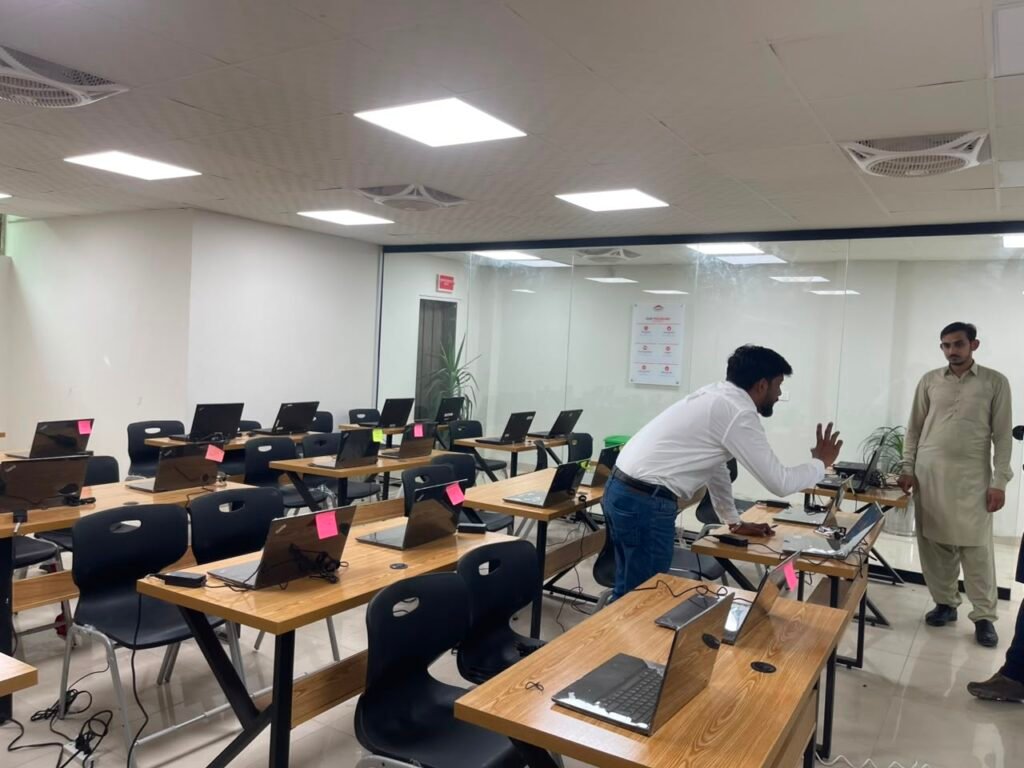
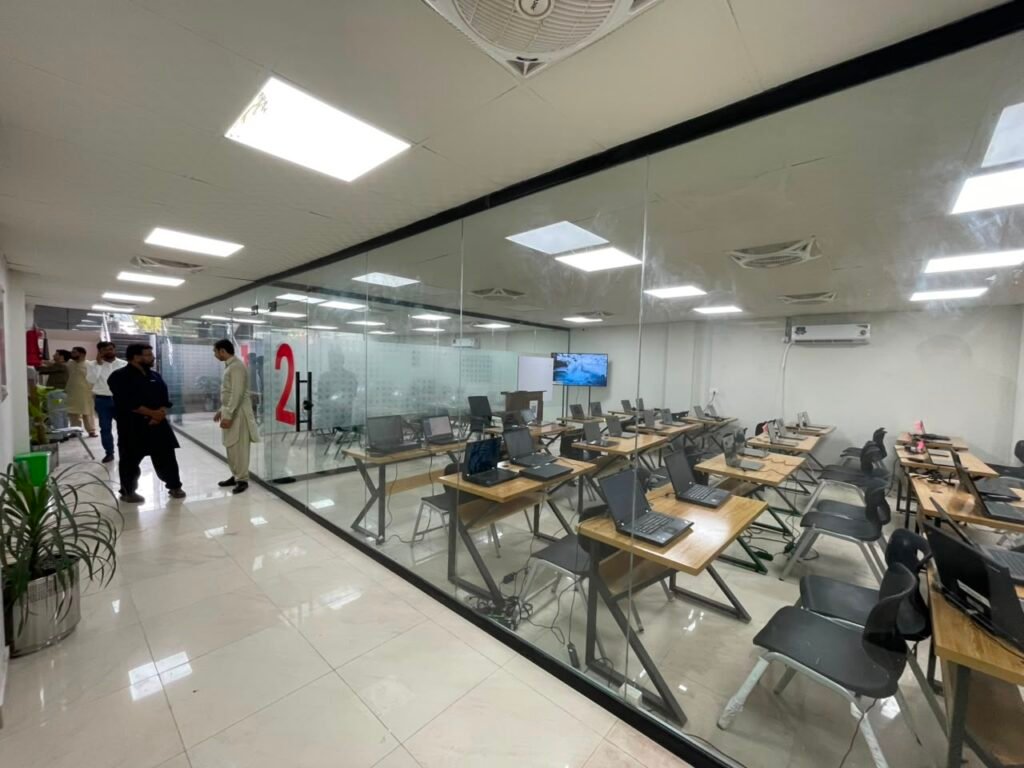
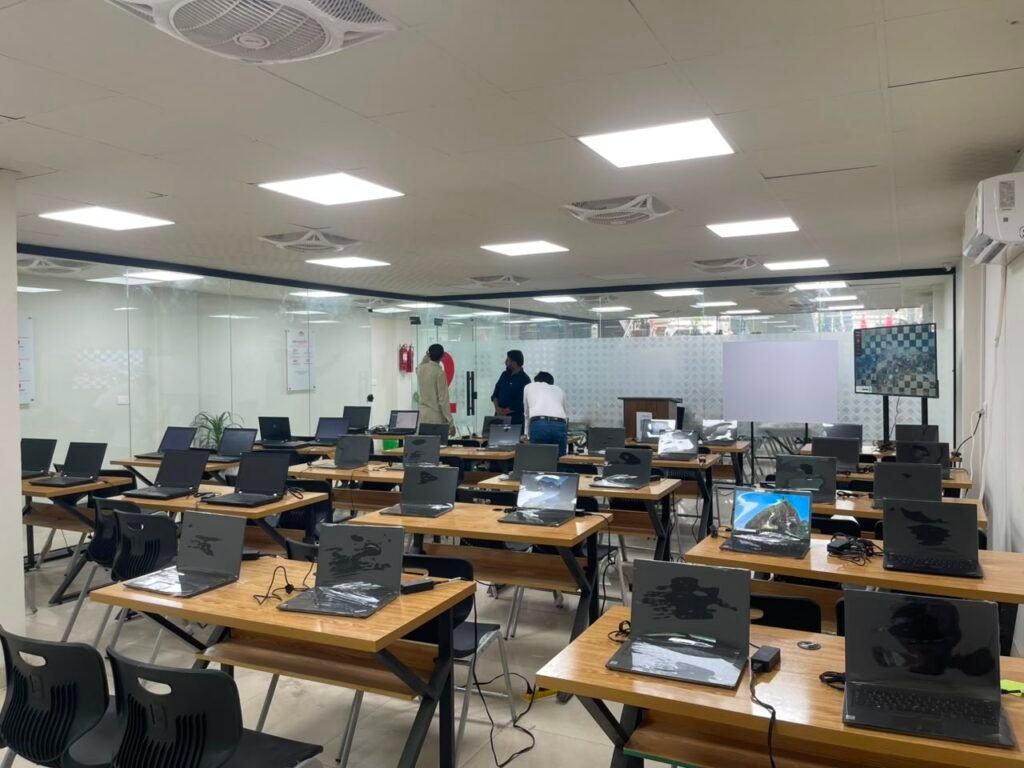
Corvit Sahiwal’s project-based, hands-on approach is the local implementation of this standard. Students work with real tools from the earliest sessions, complete guided practical exercises, and progressively build toward portfolio-worthy project outputs. A cybersecurity student works in real labs. A web development student builds a real site. A digital marketing student produces a real mock campaign. This is what practical training means in practice, and it is the same priority at Corvit Sahiwal as at any other Corvit campus.
What Sahiwal Students Gain by Studying Locally
Studying locally in Sahiwal removes several practical barriers that affect students who would otherwise travel to Lahore or Islamabad for training.
The most significant is cost. Regular travel to Lahore or Islamabad for a three-to-four-month course adds up in bus or rail fares, accommodation, and time that could be spent studying or practicing instead. For working professionals and students with family responsibilities, the daily travel requirement makes an otherwise accessible course genuinely inaccessible.
The second is time. A student who spends two to three hours daily on travel to and from Lahore has significantly less time and energy for the consistent practice that builds real skill between sessions. That time, redirected to daily practice, makes a measurable difference to how quickly a student progresses.
The third is continuity. A student who lives and trains locally is more likely to attend every session consistently, visit the campus for additional help between sessions, and maintain the momentum that structured training requires. Local access removes the reasons to skip.
A student should not have to move cities or absorb major additional costs simply to access structured IT training. Corvit Sahiwal’s local presence addresses this directly.
What to Compare Before Joining Any IT Institute
Evaluate on these specific factors before paying, not on marketing claims or city reputation. A legitimate institute answers all of these directly.
Is the course curriculum clearly documented and does it reflect current industry tools and requirements? Who will teach your specific batch, and what educational background and practical experience does that trainer have in the specific subject? Are practical labs and exercises a confirmed part of the course structure? Will you complete real projects during the training? Which specific tools will you use in class? Does the course connect to a recognized certification framework where one exists? What will you have produced or completed by the end of the course?
Getting specific answers to these questions before enrolling tells you far more about actual training quality than any marketing claim about national standards or city reputation. Contact Corvit Sahiwal directly to ask these questions before committing.
Frequently Asked Questions
Does training at Corvit Sahiwal meet the same standards as Lahore or Islamabad?
Corvit Sahiwal is connected to the wider Corvit network’s curriculum framework, certification alignment, and practical training model. The national connection is designed to deliver consistent standards across campuses. Students should confirm their specific batch, trainer qualifications, and course details directly before enrolling.
What is Corvit Systems’ national presence?
Corvit Systems is a Pakistan-based IT training network that has operated since 2000 across multiple cities including Lahore, Islamabad, Rawalpindi, and Peshawar. Its national presence means a 25-year track record of curriculum development, vendor-certified instructor standards, and certification-aligned training across a multi-city network.
Is the Corvit Sahiwal curriculum the same as other Corvit campuses?
Corvit Sahiwal follows the same curriculum framework and certification alignment used across the wider Corvit network. Sahiwal currently offers six courses: AI, Digital Marketing, SEO, Website Development, Graphic Design and Video Editing, and Cybersecurity and Ethical Hacking, each aligned with the same industry standards as the wider network.
Do Corvit Sahiwal students get the same instructor quality as larger campuses?
Corvit Sahiwal is connected to the wider Corvit network’s instructor standards. Students should confirm the specific qualifications of the trainer assigned to their batch directly with the institute, rather than assuming that credentials listed across the wider network automatically apply to their individual course.
Why should I train locally in Sahiwal instead of traveling to Lahore?
Studying locally removes travel costs, saves two to three hours daily, and makes consistent attendance significantly more realistic. A student who is not spending hours commuting has more time and energy for the consistent practice that builds genuine skill between sessions.
What should I verify before joining Corvit Sahiwal?
Ask: who will teach your batch and what are their qualifications, is the curriculum current, are practical labs and real projects included, what tools will you use, and what will you have produced by the end. Get specific answers before committing.
Final Thoughts
Corvit Systems’ national presence brings consistent curriculum standards, certification alignment, and practical training to students in Sahiwal without requiring them to travel to larger cities. The real value of that national connection is visible in the learning experience itself: structured curriculum, relevant certification frameworks, practical project work, and experienced instruction. Students considering Corvit Sahiwal should verify their specific batch details, confirm their trainer’s qualifications, and ask the checklist questions above before enrolling. Get in touch with Corvit Sahiwal to get those specific answers directly.