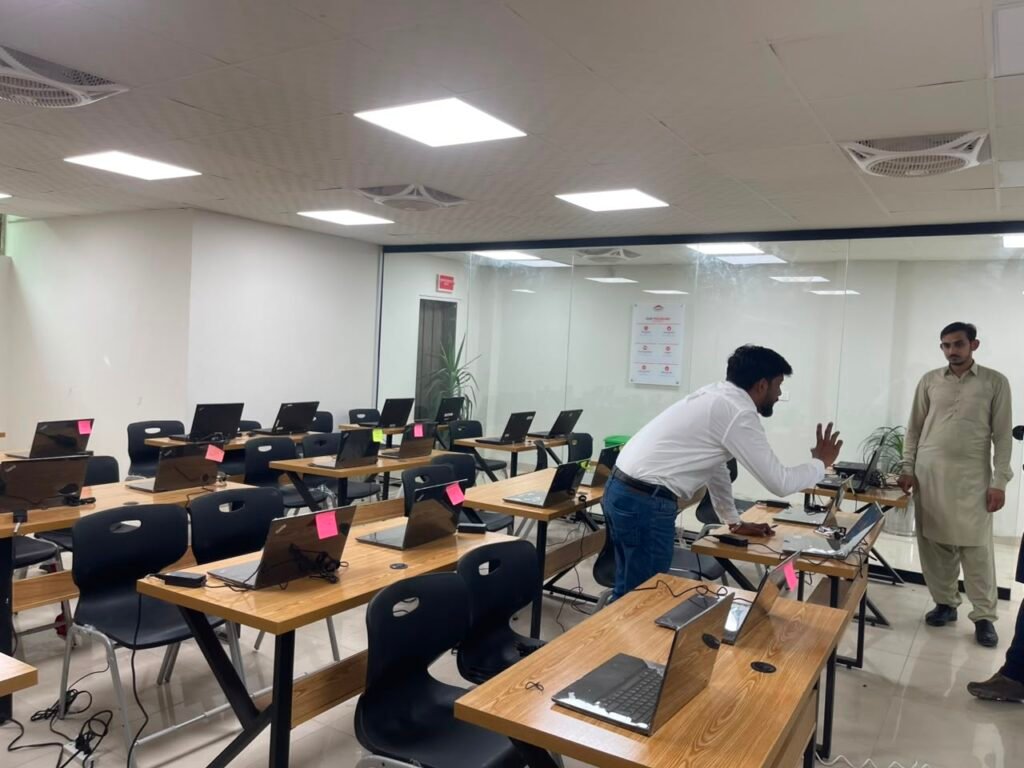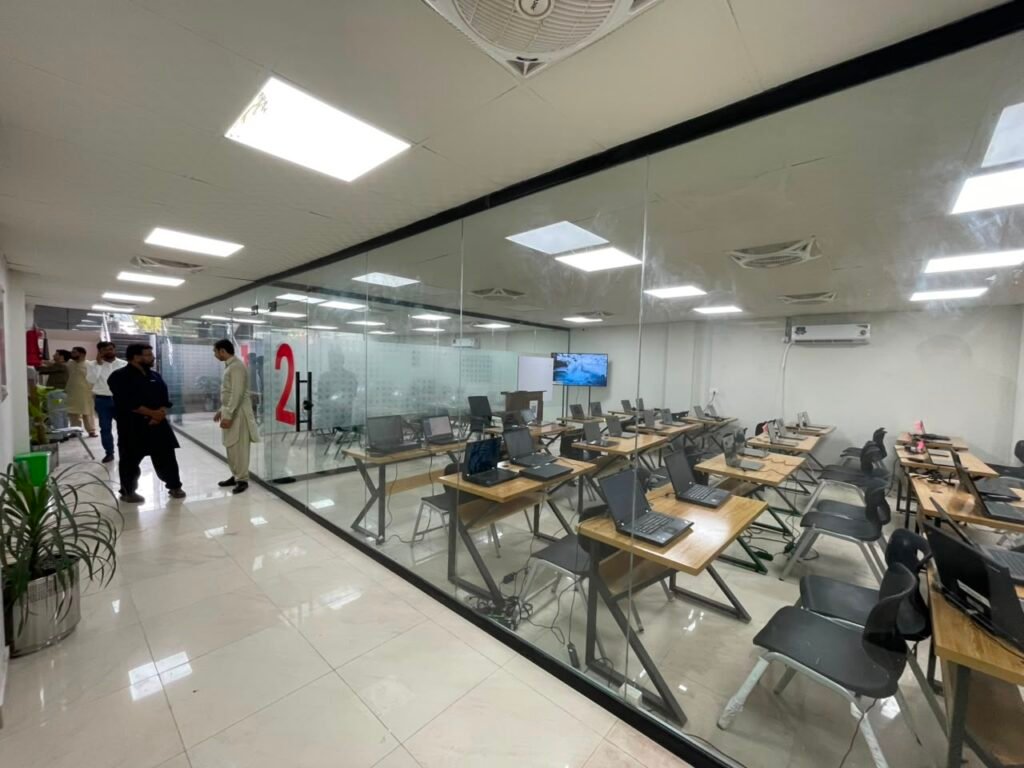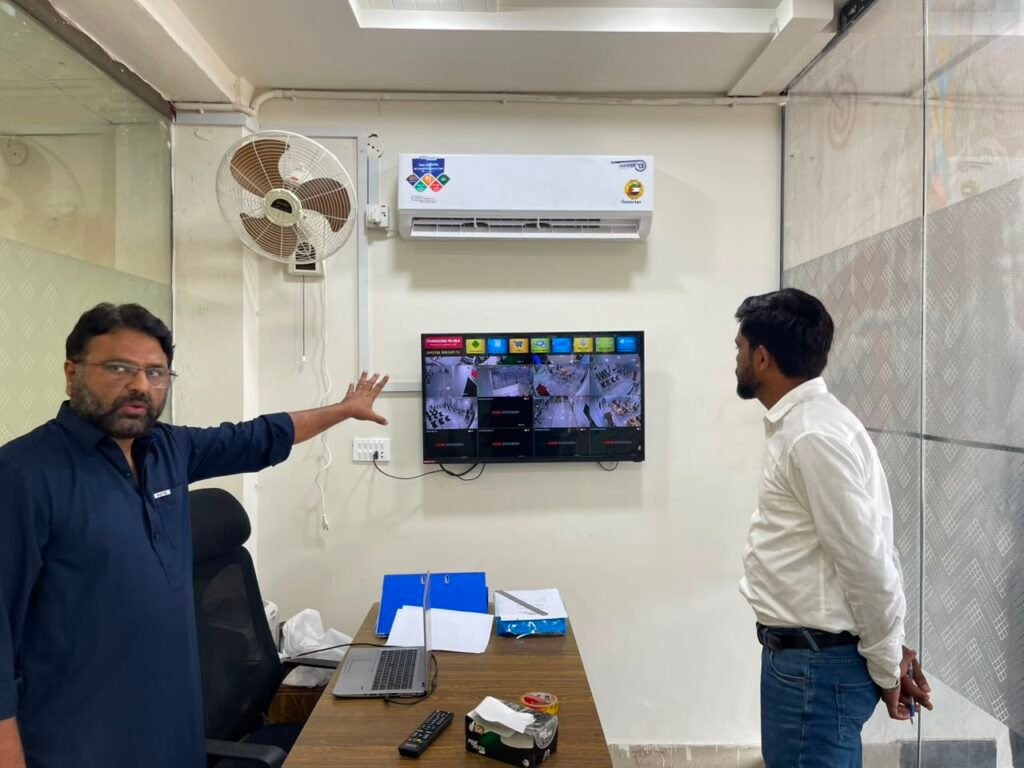

IT course duration in Sahiwal varies by course, batch format, and the student’s existing knowledge. There is no single fixed answer that applies to every course at every institute. More importantly, finishing a course and becoming genuinely job-ready are two different milestones with two different timelines. This article explains what determines how long an IT course takes, what to realistically expect from each course at Corvit Sahiwal, and what happens after the course ends.
How Long Does an IT Course Usually Take?
Duration depends on six specific factors rather than a single fixed answer. Understanding these six factors gives a more accurate picture than any general number.
The first is the course itself. A graphic design course covering creative fundamentals and three design tools takes a different amount of time than a cybersecurity course covering networking foundations, lab tools, and ethical hacking methodology. Different subjects have different depth.
The second is the number of weekly sessions. A course running five days a week covers the same material faster than one running two days. The calendar months may look similar but the actual contact hours differ significantly.
The third is weekday versus weekend batch format. Weekend batches have longer individual sessions but fewer weekly touchpoints. Weekday batches have shorter, more frequent sessions. Both can cover the same curriculum in similar total hours, but the pacing and rhythm feel different.
The fourth is the student’s prior knowledge. A student who already understands basic computer concepts and has some design or marketing exposure will progress faster through early sessions than a complete beginner starting from zero.
The fifth is practice time outside class. This factor matters more than most students expect. A student who practices for 30 to 60 minutes between sessions builds skill noticeably faster than one who only attends class and does nothing in between.
The sixth is course depth. Some courses build toward an internationally recognized certification like CEH, which adds structured exam preparation to the timeline. Others are focused on portfolio-ready practical skill without a vendor certification component.
How Long Does Each Course at Corvit Sahiwal Take?
Exact duration varies by course and current intake. Corvit Sahiwal does not publish a standardized fixed duration for all courses because batch length and structure change between intakes. Confirm the current duration and session count directly with Corvit Sahiwal before enrolling, since the answer you get there will be more accurate than any figure in an article.
What can be described honestly is the content progression each course follows, which gives a realistic picture of the learning journey.
AI Course
The AI course moves from AI tools and prompting foundations through Python basics and into practical automation workflows. Students start with how AI systems work and how to get consistent, useful results from them, then progress into applying those tools across real tasks. How long this takes depends on a student’s prior technology comfort and how consistently they practice between sessions. Full details are on the Artificial Intelligence course page.
Cybersecurity and Ethical Hacking (CEH)
The CEH course is typically one of the longer courses due to its technical depth. The progression covers networking and security concepts first, then introduces lab tools like Kali Linux, Wireshark, and Nmap, then moves into ethical hacking methodology and CEH exam preparation. Students who come in with some networking background tend to move through the early stages faster. Full details are on the Cybersecurity and Ethical Hacking (CEH) course page.
Website Development
The Website Development course moves from HTML and CSS basics through JavaScript fundamentals and into WordPress and real project work. The WordPress path reaches a client-usable level noticeably faster than building toward a full custom frontend and backend stack. Students who want to build real sites for clients quickly tend to focus on the WordPress path first. Full details are on the Website Development course page.
Digital Marketing
The Digital Marketing course is one of the faster ones to reach a portfolio-ready level. It moves from marketing fundamentals through Google Ads and Meta Ads setup and management, into analytics reading and mock campaign work. By the end, students have a documented campaign they can show as portfolio evidence. Full details are on the Digital Marketing course page.
SEO
The SEO course moves through keyword research, on-page optimization, technical SEO, off-page SEO, and audit tool practice. Students produce documented site audit work as portfolio evidence during the course rather than only at the end. Full details are on the SEO course page.
Graphic Design and Video Editing
The Graphic Design and Video Editing course begins with design principles and moves into hands-on work with Photoshop, Illustrator, Figma, and video editing tools. Portfolio pieces start building from the earliest sessions, which means students are accumulating show-able work throughout the course rather than only at the end. Full details are on the Graphic Design and Video Editing course page.
Can You Become Job-Ready After Completing an IT Course?
Course completion is the foundation. Continued practice and portfolio building after the course are what produce actual job and freelancing readiness. These are two different milestones and it is worth being honest about both.
The realistic sequence is: structured course to build foundations and tool familiarity, then consistent practice to deepen skill, then portfolio building to create proof of capability, then job and freelance applications using that portfolio as the primary evidence.
The honest per-skill picture is worth knowing before choosing a course. Digital Marketing, SEO, and Graphic Design and Video Editing tend to reach a portfolio-ready level within the course period itself for most beginners, since the output is naturally visible and shareable from the earliest sessions. Website Development, AI, and Cybersecurity build strong, real foundations in the course period, but professional-level competency in these fields typically requires continued practice beyond the initial training before a student can confidently take on client-level or employment-level work independently.
None of this means the longer-timeline courses are not worth starting. It means being realistic about what the course period produces versus what continued practice produces.
Does Weekend Training Take Longer?
Weekend batches cover the same curriculum as weekday batches but at a different pace. Each weekend session is typically longer than a weekday session, but there are fewer sessions per week, which means less frequent contact with the material.
The practical difference is in momentum rather than total time. A weekday batch with regular shorter sessions gives students more frequent exposure to the subject, which tends to support retention and help catch misunderstandings early. A weekend batch with longer, less frequent sessions gives students concentrated blocks of learning but requires more deliberate self-directed practice between sessions to maintain momentum.
When comparing batches, ask about the total number of sessions rather than just the duration in months. Two batches with the same total session count but different weekly frequencies will take different calendar lengths to complete, but cover the same ground. The class schedule page has current batch details.
How Many Hours a Week Should You Study?
Four to six hours of consistent weekly learning is a realistic starting point for most students, including working professionals who want to build genuine skill without burning out on an unsustainable schedule.
The honest math is simple. Two hours on Saturday plus two hours on Sunday plus one hour of practice on two weekday evenings equals five or six hours a week. At that pace, with consistent attendance and genuine practice between sessions, most students build real, demonstrable skill within a focused course period.
The key word is consistent. Sporadic bursts of heavy study followed by no practice for a week produce much slower progress than steady, shorter daily sessions. A student who practices for 30 minutes every day builds stronger skill than one who practices for three hours once a week, even if the total hours are similar. Pakistan’s National Vocational and Technical Training Commission consistently emphasizes outcome-based skill development over hours logged, which reflects the same reality: what you can demonstrate matters more than how many sessions you attended.
What Should You Be Able to Do by the End of the Course?
By the end of a Corvit Sahiwal course, a student should have real, completed project work alongside their certificate. The portfolio is what actually demonstrates the skill. The certificate supports it.
The realistic practical outputs by course area are worth knowing in advance. An SEO student should have a documented site audit covering keyword opportunities, technical issues, and optimization recommendations. A Digital Marketing student should have a mock campaign from brief through to analytics review. A Website Development student should have a functioning practice site. A Graphic Design and Video Editing student should have a growing portfolio of real design pieces and video content. An AI student should have a documented automation workflow solving a specific, practical problem. A Cybersecurity student should have documented lab exercises aligned with the CEH framework.
These outputs are what a client or employer evaluates when a graduate applies for work or pitches a project. A certificate alone is supporting evidence. The portfolio is the primary argument.
What Happens After You Complete the Course?
Course completion is the start of a career path, not the end of the learning. Six specific post-course steps consistently separate students who find work or freelancing income within months from those who do not.
Build or expand the portfolio first. Add the best course projects, refine earlier pieces, and produce two or three new pieces specifically targeting the type of work you want to attract.
Identify and address weak areas through continued practice. Every student finishes a course with some areas stronger than others. Spending a few weeks strengthening the weaker areas before applying produces significantly better outcomes than applying immediately and hoping gaps are not noticed.
Apply for entry-level jobs or internships using the portfolio as the primary application material rather than the certificate.
Start freelancing on Fiverr or Upwork where appropriate, beginning with a slightly lower price point to attract initial reviews and building rates from there as a track record develops.
Continue toward advanced or complementary certifications in the same field, particularly for cybersecurity students working toward the CEH exam.
Consider adding a second complementary skill over the following months. Web Development paired with SEO, Graphic Design paired with Digital Marketing, and AI paired with almost any other field all open wider career and freelancing opportunities.
Frequently Asked Questions
How long does an IT course at Corvit Sahiwal take?
Duration varies by course, batch format, and current intake. Corvit Sahiwal does not publish a standardized fixed duration for all courses. Confirm the current session count and total course length for your specific course directly with Corvit Sahiwal before enrolling.
How long does it take to become job-ready after an IT course?
Course completion produces a foundation. Continued practice and portfolio building after the course typically take additional weeks or months before professional-level readiness develops. Digital Marketing, SEO, and Graphic Design reach portfolio-ready level faster. Web Development, AI, and Cybersecurity generally require more continued practice beyond the course.
Which Corvit Sahiwal course has the shortest duration?
Digital Marketing, SEO, and Graphic Design and Video Editing tend to reach a portfolio-ready level within a shorter course period than technical subjects like Cybersecurity or full-stack Web Development. Confirm current batch durations directly with Corvit Sahiwal for accurate, up-to-date figures.
Does a weekend batch take longer than a weekday batch?
A weekend batch may take more calendar weeks to complete than a weekday batch, since fewer sessions run per week. The total curriculum covered is the same. Ask about total session count rather than just months when comparing batch options.
How many hours a week do I need to study IT?
Four to six hours of consistent weekly study is a realistic starting point for most students. Consistency matters more than volume. Thirty minutes of daily practice produces better skill retention than a single three-hour session once a week, even at the same total hours.
What is the typical IT course duration in Sahiwal at Corvit Sahiwal?
IT course duration in Sahiwal varies by course and batch format. Corvit Sahiwal does not publish a single fixed duration for all courses since batch length changes between intakes. Confirm the current session count and schedule for your specific course directly with Corvit Sahiwal before enrolling.
What will I be able to do after completing a Corvit Sahiwal course?
You will have foundational skill in your chosen subject and at least two to three portfolio pieces demonstrating real practical work. Digital Marketing, SEO, and Graphic Design students typically reach a freelance-ready level within the course period. Web Development, AI, and Cybersecurity students have a solid foundation with continued practice needed for professional-level readiness.
Final Thoughts
IT course duration in Sahiwal depends on the course, the batch format, and how consistently a student practices between sessions. Finishing a course is the foundation. Building a portfolio and continuing to practice after the course is what produces genuine job and freelancing readiness. Get in touch with Corvit Sahiwal to confirm the current duration, session count, and batch schedule for the specific course you want before enrolling.