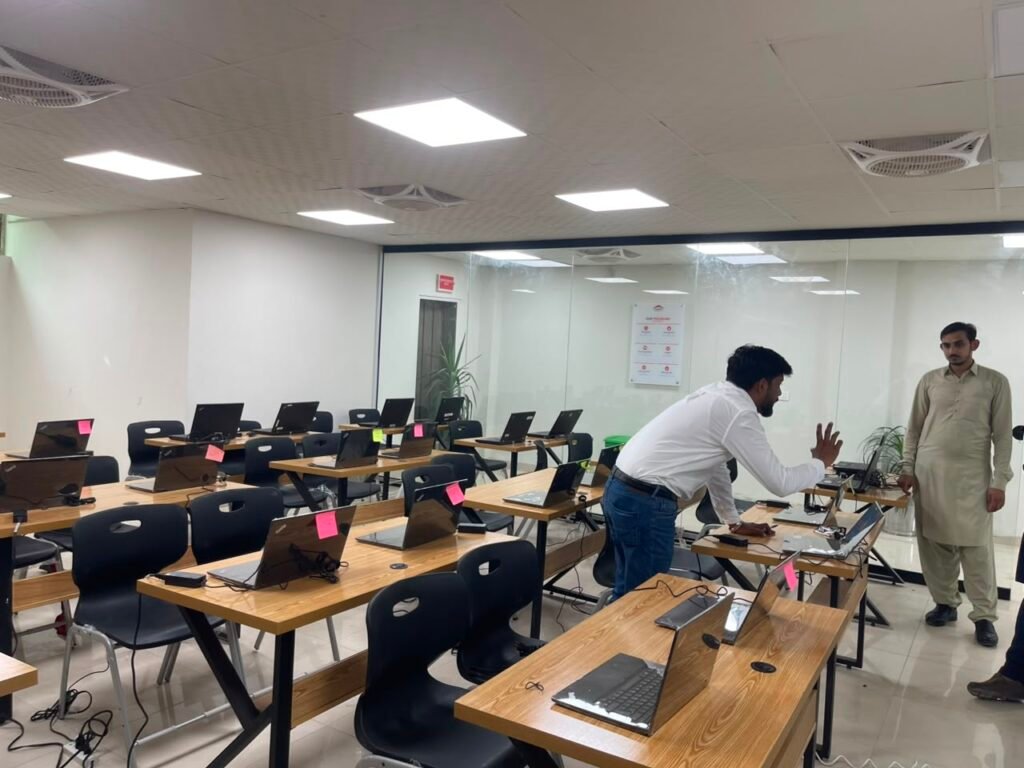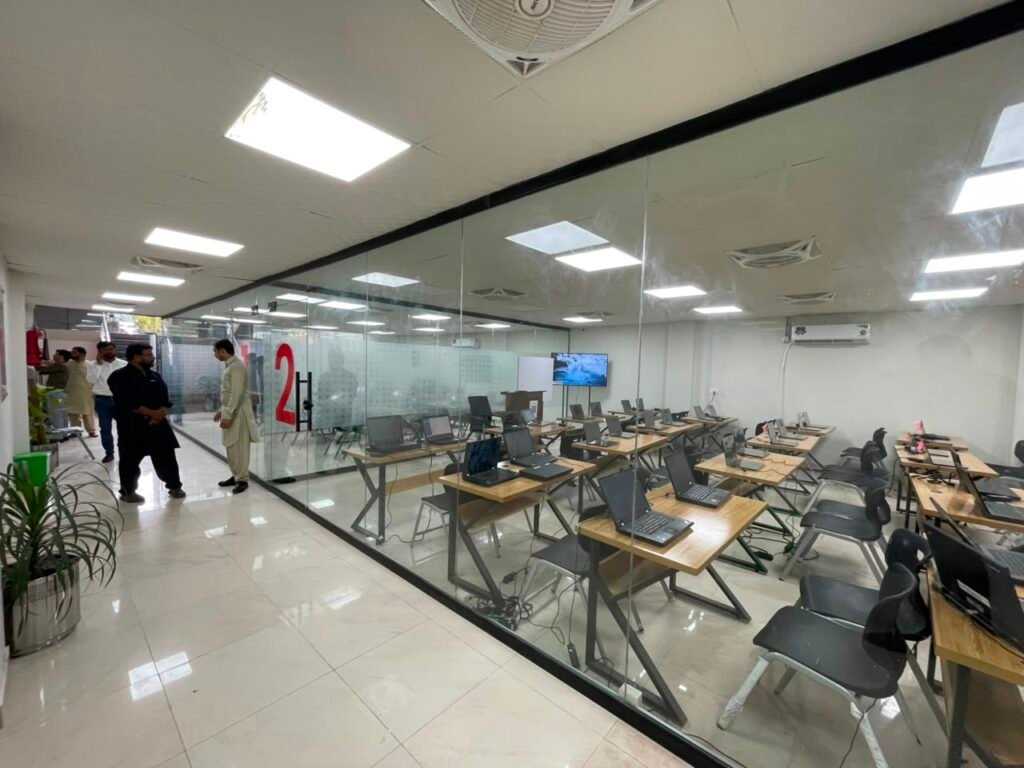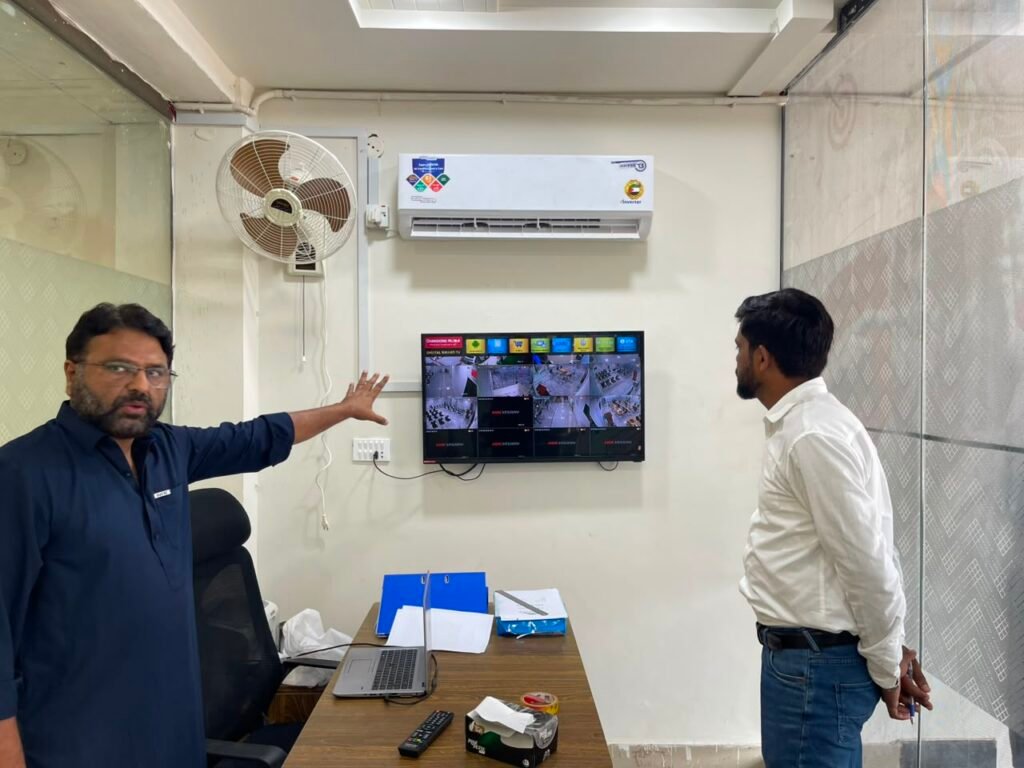
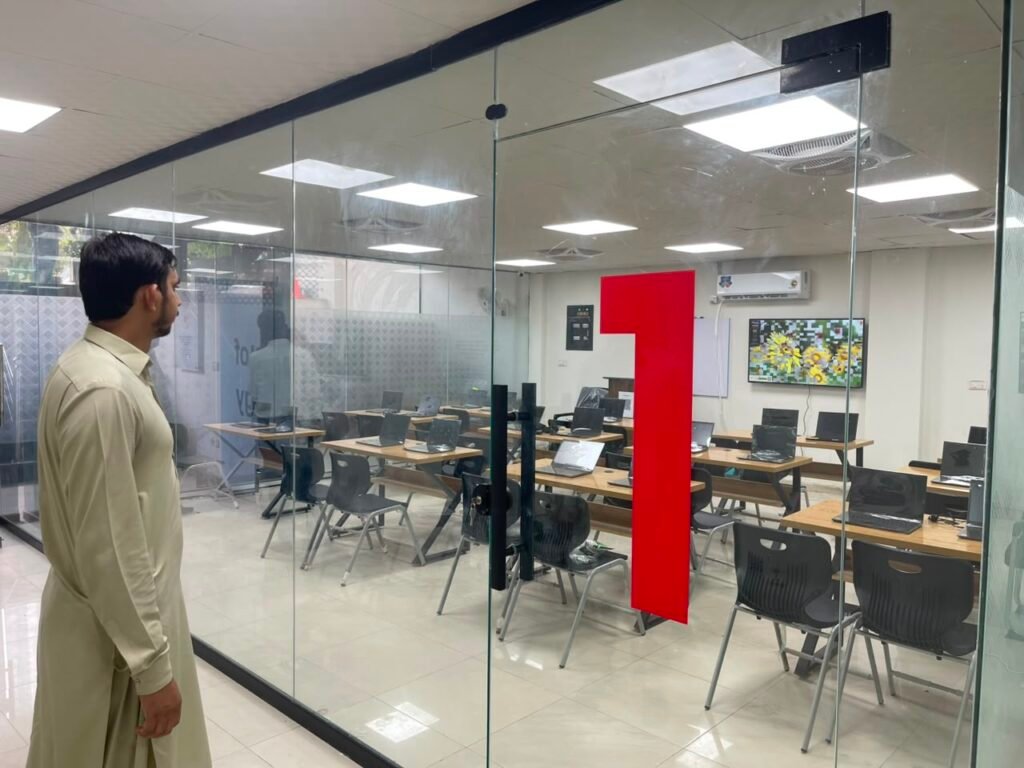
IT courses for university students are one of the smartest investments a student in Sahiwal can make before graduation, and Corvit Sahiwal makes it genuinely possible to do both at the same time. Your university degree gives you an academic foundation. A practical IT skill built alongside it gives you something you can demonstrate to an employer or start earning from before you even walk across a stage. The key is choosing a batch that fits your timetable and a course that matches your actual interests. This guide walks you through everything you need to know before enrolling.
Can University Students Study at Corvit Sahiwal?
Yes. Corvit Sahiwal offers both weekday and weekend batch options, including Saturday and Sunday sessions specifically designed for students and working professionals who cannot attend during the week. University students are explicitly part of the audience Corvit Sahiwal’s courses are built for, alongside job seekers and working professionals.
The honest caveat is that batch availability and specific timing change between intakes and vary by course. Not every course has a weekend batch open in every intake cycle. Before assuming a particular schedule is available, confirm the current batch timing directly with Corvit Sahiwal for the specific course you want. The contact page and WhatsApp (+92 3273333431) at the Corvit Sahiwal campus at City Star Plaza, Muhammad Pur Road, Sahiwal are the fastest way to get an accurate current answer.
Why Learn an IT Skill Alongside Your University Degree?
Four practical reasons make building an IT skill during university significantly more valuable than waiting until after graduation.
The first is time. University provides large blocks of relatively unstructured time that most students significantly underutilize. A student who uses 4 to 6 hours per week consistently over a three-month course period finishes before their first post-graduation job application.
The second is portfolio. Employers and freelance clients evaluate what you can show, not only your degree. A student who graduates with both a degree and a documented portfolio of real IT work is more competitive than one who has only the degree and is starting from scratch.
The third is income. Freelancing platforms like Fiverr and Upwork are accessible to university students. A student who builds a marketable digital skill, such as graphic design, digital marketing, or web development, can start earning part-time income before graduation without waiting for a formal job offer.
The fourth is career clarity. Taking a practical IT course during university often helps students decide whether their future career should involve IT before they have committed their post-graduation time to finding out. A student who takes a cybersecurity or AI course and finds it genuinely engaging has a more informed basis for career decisions than one who graduates theoretically aware of these fields but with no real exposure.
Pakistan’s National Vocational and Technical Training Commission specifically identifies pre-employment skill building during formal education as one of the most effective ways to improve graduate employability. Building practical skills alongside academic study is not a distraction from a degree. It is the most common characteristic of graduates who find work quickly after finishing.
Does Corvit Sahiwal Offer Weekend or Flexible Classes?
Yes. Corvit Sahiwal’s batch options include Saturday and Sunday sessions, which are specifically structured for students who have weekday academic commitments. These weekend sessions cover the same curriculum as weekday batches at a different pace, with longer individual sessions and fewer weekly meetings.
The practical difference for a university student is significant. A weekend batch means no weekday conflict with lectures, tutorials, or lab sessions. A student who attends a Saturday and Sunday session can devote the five weekday evenings entirely to university coursework, assignments, and exam preparation without splitting focus.
The batch timing caveat applies here too. Weekend batch availability depends on the current intake cycle and the specific course. The class schedule page has current batch details, and confirming directly with Corvit Sahiwal before planning your semester around a specific batch timing is the right approach. The class schedule page has current information.
Which IT Courses Are Suitable for University Students?
All six of Corvit Sahiwal’s current courses are open to university students, and all are designed to start from the fundamentals without requiring prior technical knowledge. The right choice depends on which type of work genuinely interests you, not which course sounds most impressive or most in-demand.
The Artificial Intelligence course suits technology-curious students interested in AI tools, automation, and Python basics. It is broadly applicable across every other field, making it a strong complementary skill regardless of what a student is studying.
The Cybersecurity and Ethical Hacking (CEH) course suits students interested in networking, security, and technical investigation. It follows EC-Council’s CEH framework with hands-on lab work using tools including Kali Linux, Wireshark, and Nmap.
The Website Development course suits logical, problem-solving students who enjoy building things. WordPress is the fastest route to real client work; the full custom development path takes longer but opens a wider ceiling.
The Digital Marketing course suits business and marketing-oriented students interested in paid advertising, social media, and analytics. It has one of the fastest freelancing timelines of any course.
The SEO course suits analytical and research-oriented students who enjoy search optimization and data-driven work. It is a separate, specialist course from Digital Marketing.
The Graphic Design and Video Editing course suits visually creative students who enjoy design software and want to build a portfolio of visible, shareable work from week one.
How to Choose a Course That Fits Your University Schedule
Three specific factors should drive the course choice for a university student, in this order.
First, genuine interest. A course chosen because it sounds impressive but does not match your actual interests will lose priority when university assignments pile up. A course you find genuinely engaging is one you will protect time for even during a busy exam period.
Second, schedule compatibility. Check the current batch timing before choosing a course, not after. A course that runs on Wednesday evenings when you have a university lab every Wednesday is not a realistic option regardless of how much you want to take it.
Third, realistic time commitment. Ask how many weekly hours the course requires including sessions, practice, and project work. A course that requires 10 hours a week on top of a full university load is not compatible for most students. A course requiring 4 to 6 hours weekly alongside weekend sessions is genuinely manageable.
Evening vs Weekend IT Classes: Which Is Better for University Students?
For most university students, weekend classes are the more practical format because they create no weekday conflict with academic schedules, tutorials, or spontaneous study sessions.
Evening classes have one advantage: more frequent touchpoints with the material, which tends to support better skill retention through regular practice. The trade-off is that a student who has a demanding university day may arrive at an evening session too tired to engage productively.
Weekend sessions give students two longer, more concentrated blocks of learning per week with five clear weekdays for university work. The trade-off is that sessions are longer and missing one creates a larger gap than missing one short evening session would.
For students with flexible university schedules where some weekday afternoons or evenings are genuinely free, evening classes can work well. For students with packed or unpredictable weekday timetables, weekend is the more reliable format.
How Many Hours a Week Should You Study?
Four to six hours of consistent weekly effort is a realistic and effective investment for a university student learning an IT skill part-time.
The breakdown that works practically: two to three hours of structured class time on weekends, plus one to two hours of deliberate practice during the week on whatever was covered in the most recent session. This pace produces real skill accumulation over a three-to-four-month course without derailing university performance.
The most important word is consistent. Four hours every week for twelve weeks produces significantly stronger outcomes than ten hours in one weekend followed by nothing for two weeks. Consistency is more important than volume, and it is what most self-assessment about study habits underestimates before the course starts.
During exam periods, reduce IT practice rather than eliminating it entirely. Even one hour of practice per week during an exam period maintains continuity better than a complete stop that leaves a student returning to the material cold after exams end.
Can IT Courses Help You Build a Portfolio Before Graduation?
Yes, and for most career paths, the portfolio built during a course is more valuable to an employer or freelance client than the degree certificate itself.
A university degree demonstrates academic ability and subject knowledge. A portfolio demonstrates that you can apply a specific skill to produce a real, finished output. Employers for entry-level IT and digital roles consistently prioritize the portfolio over the degree when evaluating candidates who are otherwise similar.
The key is treating every course exercise as a potential portfolio piece from week one rather than as disposable practice. A graphic design student who saves every logo, social media set, and video they produce during the course graduates with a portfolio. A student who treats sessions as practice and saves nothing graduates with completed course hours but nothing show-able.
Should You Learn AI, Cybersecurity, Web Development, or Digital Marketing?
The honest answer is the one that appears in every Corvit Sahiwal article on this topic: choose the course that matches your genuine interest and the type of work you would enjoy doing daily, not the one that sounds most impressive.
AI suits technology-curious students who want a broadly applicable skill and are interested in automation and AI tools. Cybersecurity suits students drawn to technical investigation, security, and structured problem-solving. Web Development suits students who enjoy building things logically from the ground up. Digital Marketing and SEO suit students interested in brands, audiences, and business strategy. Graphic Design suits students who think visually and want to produce creative portfolio work from the start.
If you are genuinely unsure, visit the Corvit Sahiwal campus at City Star Plaza, Muhammad Pur Road, Sahiwal, talk to the team, and ask to speak with current students or see examples of what each course produces. That conversation gives you more useful information than any course description.
How to Balance University and an IT Course
A simple framework works better than trying to optimize every hour.
Treat university classes and deadlines as the fixed, non-negotiable priority. Schedule your IT course sessions around them, not competing with them. Use the evenings and weekends that are genuinely free for IT course work, and protect that time consistently rather than treating it as optional.
Practice on the actual skill for 20 to 30 minutes every day during the course period, even on days you have no formal session. Short daily practice produces better retention than longer weekly blocks alone.
During exams, reduce IT practice to maintenance level rather than stopping entirely. Return to full pace immediately after exams end.
Do not try to learn two separate IT skills simultaneously while managing university. One skill done properly and consistently over a course period produces a genuine portfolio. Two skills learned simultaneously produce surface-level familiarity in both and a portfolio of neither.
What to Check Before Enrolling at Corvit Sahiwal
Ask these five questions before paying your fee.
Does the current batch timing fit your university timetable without conflict? Are weekend or evening options available for the specific course and intake you want? How many weekly hours does the course realistically require including sessions and practice? Will you complete real projects during the course that you can use as portfolio evidence? What certificate do you receive, and who issues it?
Getting clear answers to all five before enrolling protects you from discovering after payment that the schedule or course structure does not match what you needed. Get in touch with Corvit Sahiwal directly to get current, specific answers before making the decision.
Final Verdict: Is Part-Time IT Training Worth It for University Students?
Yes, for students who choose a course that genuinely interests them, confirm a compatible batch schedule, and practice consistently alongside their university work. The combination of a university degree and a practical, portfolio-backed IT skill is significantly more competitive than a degree alone in Pakistan’s current job market and freelancing economy.
The only way it does not work is if a student enrolls in a course that conflicts with their university schedule, chooses a skill they are not genuinely interested in, or approaches the course as something to attend without producing real project work. Avoiding those three mistakes is entirely within a student’s control before they pay a single rupee.
IT courses for university students in Sahiwal are available at Corvit Sahiwal with both weekday and weekend batch options. Visit the campus, ask the questions above, and start before you graduate.
Frequently Asked Questions
Can university students join IT courses at Corvit Sahiwal?
Yes. Corvit Sahiwal offers weekday and weekend batch options including Saturday and Sunday sessions suited to university students who cannot attend during the week. Confirm current batch availability for the specific course you want before enrolling, since schedules change between intakes.
Which IT course is best for university students?
The best course depends on genuine interest. AI suits technology-curious students, Cybersecurity suits security-minded students, Web Development suits logical builders, Digital Marketing and SEO suit business-oriented students, and Graphic Design suits creative students. All six start from beginner level with no prior background required.
How many hours a week does an IT course take alongside university?
Four to six hours weekly is a realistic and manageable commitment for most university students, including two to three hours of weekend sessions and one to two hours of weekday practice. Consistency matters more than volume.
Can I freelance while studying at university and doing an IT course?
Yes. Digital Marketing, SEO, Graphic Design, and Web Development all have active freelance markets on Fiverr and Upwork accessible to students. Building a small portfolio during the course is the first step toward landing early freelance projects.
Does Corvit Sahiwal offer weekend classes for university students?
Yes, weekend batch options including Saturday and Sunday sessions are available at Corvit Sahiwal. Specific timing and availability vary by course and intake, so confirm the current schedule directly with the institute before planning around it.
Will an IT course interfere with my university degree?
Only if the schedule conflicts with your university timetable, which is avoidable by confirming compatible batch options before enrolling. Four to six hours of weekly practice alongside university work is manageable for most students without affecting academic performance.
Final Thoughts
IT courses for university students are most valuable when started early, chosen honestly, and followed through consistently. Corvit Sahiwal’s six practical courses, flexible weekend batches, and project-based training model make part-time learning alongside a university degree genuinely achievable for students in Sahiwal. Contact Corvit Sahiwal to confirm current batch schedules and find out which course fits your degree, interests, and timetable before the next intake opens.