IT skills for engineering students are not about switching careers or choosing a different degree. They are about making your engineering education more useful in a workplace that keeps changing.
Your engineering degree gives you domain knowledge. You understand systems, structures, processes and physical principles that a general IT graduate does not. The problem is that many of those systems now run on software, depend on data and involve digital tools you may not have been taught.
Adding the right IT skill to your engineering background creates a combination that stands on its own. Engineering knowledge plus a practical digital skill equals a specialization that most fresh graduates cannot offer.
Why Should Engineering Students Learn IT Skills?
Modern engineering work increasingly involves automation, data pipelines, software tools, digital simulations, AI models and cloud platforms. That is not a trend. It is the current state of most industries in Pakistan and beyond.
Employers in sectors like manufacturing, telecom, infrastructure, energy and IT services want engineers who can cross the boundary between physical systems and digital tools. A mechanical engineer who can write a Python script to automate a report has more to offer than one who cannot. A civil engineer who understands data analysis is more useful on a project that involves GIS data and reporting tools.
The distinction matters: you are not being asked to become a software engineer. You are being asked to work effectively in an environment where software and data are part of engineering work.
8 Best IT Skills for Engineering Students
1. Programming and Python
Python is the most practical starting point for engineering students because it applies to almost everything. You can use it for automation, data analysis, engineering calculations, simulations and basic AI tasks.
It does not require a CS background. The syntax is clean and the learning curve is manageable alongside a full university schedule. Once you have basic Python, you can extend it toward data analytics, AI or automation depending on your field.
Start with fundamentals. Build two or three small projects before moving to anything advanced.
2. AI and Machine Learning
AI is relevant to engineering in practical ways. Predictive maintenance, computer vision for inspection systems, intelligent automation and optimization models are real applications, not hypothetical ones.
You do not need to become an AI engineer. Position it as a complementary skill. An electrical engineer who understands how a machine learning model works can contribute to AI projects in a way that one without that knowledge cannot.
For students who want structured AI training alongside their degree, Corvit Sahiwal’s Artificial Intelligence course is built for practical application rather than heavy theory.
3. Data Analytics
Engineering students already work with numbers, measurements and reports. Data analytics is a natural extension of that thinking.
Learn Excel well first. Then move to SQL for querying structured data, Python for more complex analysis and Power BI for dashboards and reporting. These tools are widely used across Pakistani industries for operations, finance and project management.
If you are in industrial, chemical or civil engineering, you will regularly work with large datasets. Knowing how to structure, query and visualize that data makes you significantly more capable in those roles.
4. Cybersecurity
Cybersecurity is directly relevant to electrical, computer, telecom and electronics engineering students. Industrial control systems, network infrastructure and digital communication systems all have security requirements built into them.
Understanding network security fundamentals, ethical hacking basics and system vulnerabilities can open a separate career path or deepen your existing engineering specialization. The Ministry of IT and Telecom consistently identifies cybersecurity as a national priority, which reflects real and growing demand in the Pakistani market.
Corvit Sahiwal offers a Cybersecurity and Ethical Hacking (CEH) course that covers practical defense skills and ethical hacking fundamentals. EC-Council issues the CEH certification separately after students pass the exam.
5. Cloud Computing
Cloud is a longer-term skill to develop. You do not need to master it in your first year. But understanding what cloud platforms do and how they connect to engineering systems puts you in a better position for infrastructure, IoT, DevOps and scalable application roles.
Computer, telecom and electrical engineering students will find cloud knowledge most directly applicable. Start with the concepts. Build toward a certification in your final year or after graduation.
6. Web Development
Web development is useful if you want to build something visible. A technical project, a product prototype, a startup idea or a personal portfolio all need some web development knowledge.
For engineering students interested in freelancing, web development is one of the fastest ways to start earning on platforms like Fiverr and Upwork. You can learn it, build a project and show it to a client without needing institutional support.
Corvit Sahiwal’s Website Development course teaches practical skills from the ground up and suits students with no prior coding background.
7. Automation
Automation is where engineering and IT skills connect most naturally. Programming combined with automation thinking can help engineers handle repetitive tasks, data processing, reporting, testing and system monitoring without manual effort.
For mechanical, industrial and electrical engineering students, automation is not just an IT concept. It is a real part of the systems they will work with throughout their careers. Starting with Python-based task automation gives you a foundation that extends into almost any engineering environment.
8. Git and GitHub
Do not skip this one. Git and GitHub are how technical people manage projects, collaborate and document work in a way others can see.
Learning Git lets you version your code, track changes and collaborate cleanly. A GitHub profile with three or four real projects turns coursework into a visible portfolio. An engineering student who can show working code, documented projects and a commit history is in a different position from one who only has transcripts and certificates.
Best IT Skills Based on Your Engineering Field
Not every engineering student should learn the same skills. The right combination depends on your specialization and your career direction.
Electrical engineering students benefit most from Python, AI, automation and cybersecurity. These connect directly to control systems, power grids and embedded technology.
Mechanical engineering students can extend into Python, automation and process data analytics. CAD and simulation tools are already part of the curriculum, so adding data and automation skills extends what you can do with them.
Civil engineering students benefit from data analytics, GIS tools and automation. Processing survey data, managing project reporting and working with spatial datasets are practical applications in this field.
Chemical engineering students work with large process datasets. Python, data analytics and process automation are the most relevant skills to add.
Electronics engineering students have a natural path into programming, embedded systems and AI, particularly for sensor-based and hardware projects.
Telecom engineering students have the most direct route into networking, cybersecurity and cloud computing. These three areas map closely onto infrastructure work in the telecom sector.
Industrial engineering students deal with operations, efficiency and large datasets. Data analytics and automation offer the clearest practical benefit.
Computer engineering students already overlap with software and systems. Deepening skills in software development, cloud and cybersecurity makes the most sense given their foundational background.
IT Skills vs Engineering Skills: Do You Need Both?
Yes. But you do not need to learn everything.
The mistake many students make is collecting certificates without building a real combination. Five disconnected skills add less value than one strong pairing built well and proven through projects.
Some combinations that work:
Mechanical Engineering + Python + Data Analytics. You can analyze performance data, automate reporting and contribute to engineering optimization work.
Electrical Engineering + AI + Automation. You can work on intelligent systems, predictive models and automated control systems.
Telecom Engineering + Networking + Cybersecurity. You can work across network security, infrastructure and communications systems.
Industrial Engineering + Data Analytics + Automation. You can handle operations data and build automated workflows for reporting and monitoring.
Civil Engineering + Data Analytics + GIS. You can process spatial and project data and contribute to planning and project management roles.
Pick one combination. Build it with projects. Make it something you can actually show.
How IT Skills Can Improve an Engineering Student’s Career Profile
Employers can see practical things and credentials. A degree tells them you completed a programme. What they want to know is what you can do.
Projects are visible. A GitHub profile is visible. A working website or automation script is visible. A certificate from a recognized course is visible. Problem-solving ability shown through real work is visible.
Two or three real projects in your portfolio tell an employer more than a course list. Build something. Document it. Put it somewhere a hiring manager can find it.
Internships during your final years are significantly stronger when you have both an engineering background and a demonstrable IT skill. It changes what you can contribute during a three-month placement.
How to Start Learning IT Skills Alongside Engineering
You do not need to sacrifice semesters to do this. A realistic timeline that fits around a full engineering workload:
Semester 1 and 2: Start with computer fundamentals and basic Python. Keep it light and consistent. One hour a day is enough at this stage.
Semester 3 and 4: Choose one specialization based on your engineering field. AI, data analytics, cybersecurity or web development. Take a structured course during this period so you have guidance and a schedule.
Semester 5 and 6: Build two or three practical projects. Apply what you have learned to real problems. Document everything and put your code on GitHub.
Semester 7 and 8: Focus on internships, your CV, LinkedIn and applying for roles. Use your portfolio and projects as proof of your skills rather than relying only on your transcript.
This approach does not replace your engineering studies. It adds something to them.
IT Courses for Engineering Students in Sahiwal
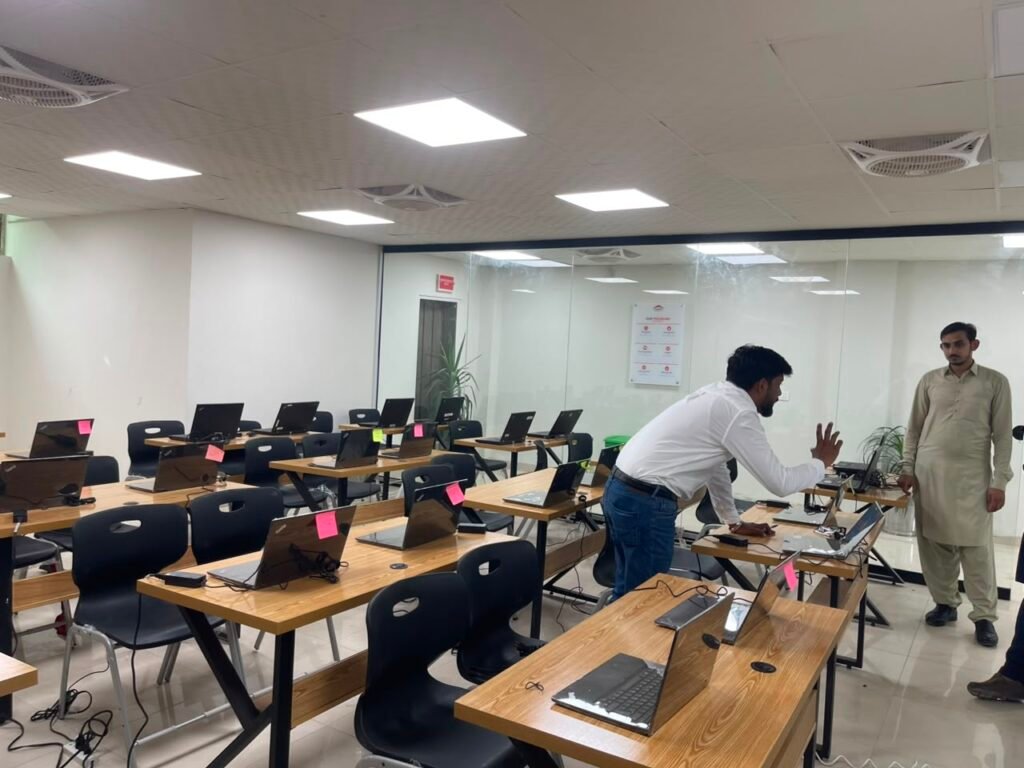
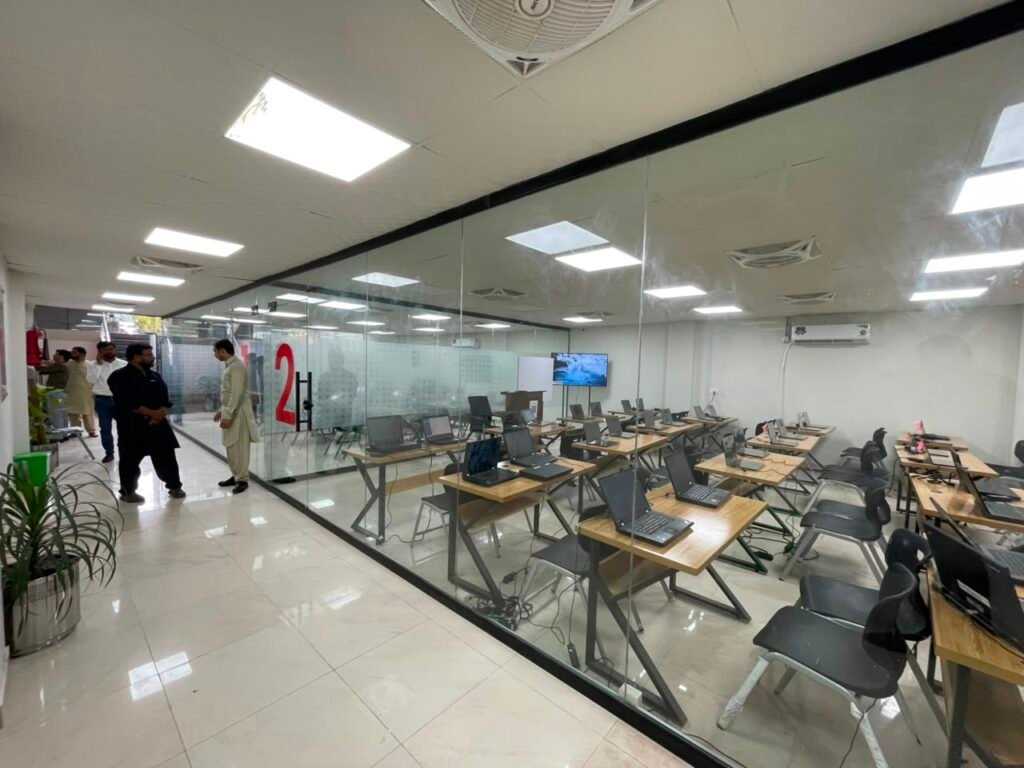
If you are studying in Sahiwal or nearby areas including Okara, Pakpattan or Chichawatni, Corvit Sahiwal offers practical IT training that fits alongside university studies.
Current courses include Artificial Intelligence, Cybersecurity and Ethical Hacking (CEH), Website Development, Digital Marketing, SEO, and Graphic Design and Video Editing. For engineering students, the most relevant starting points are:
Artificial Intelligence for students whose field involves automation, data or intelligent systems.
Cybersecurity and Ethical Hacking (CEH) for students in telecom, electrical, computer and networking streams.
Website Development for students who want to build technical products, freelance or work in a startup environment.
Digital Marketing for engineering students whose direction is entrepreneurship, product management or building a personal presence online.
Confirm current batch schedules and availability directly with the campus before enrolling. You can reach Corvit Sahiwal on WhatsApp at +92 3273333431 or browse all available IT courses on the website.
Frequently Asked Questions
What IT skills should engineering students learn?
IT skills for engineering students that add the most value include programming, Python, AI, data analytics, automation, cybersecurity, cloud computing and Git/GitHub. The right combination depends on your engineering specialization. Choose one strong pairing and build it through real projects rather than collecting disconnected certificates.
Which IT skill is best for engineering students in Pakistan?
There is no single best skill. Electrical and telecom students benefit most from cybersecurity and AI. Mechanical and chemical students gain most from Python and automation. Civil and industrial students find data analytics most practical. Match the skill to your field and your career direction.
Can engineering students learn IT skills alongside their degree?
Yes. A structured course during Semester 3 or 4, combined with consistent practice, gives you enough foundation to build real projects before graduation. You do not need to take time away from your engineering studies to do this.
Does learning IT skills require a computer science background?
No. Python, data analytics, web development and cybersecurity fundamentals are all accessible to engineering students without prior programming experience. A structured course is the fastest way to build that foundation from scratch.
How long does it take to learn a practical IT skill?
A focused course of three to six months gives you enough to start building real projects. The time it takes to become proficient depends on how consistently you practise and whether you apply the skills to actual problems. Completing projects matters more than course duration.
Is it better to learn IT skills at a local institute or online?
A local course gives you a structured schedule, real instructors and a group of peers working on the same problems. Online learning works for motivated self-starters but can be difficult to maintain alongside a full university schedule. Corvit Sahiwal’s courses are designed for students who want hands-on, practical training with in-person guidance in Sahiwal.
Get in touch with Corvit Sahiwal to confirm current batch schedules and find out which course fits your engineering background and career goals.