Finishing FSc or ICS feels exciting until someone asks, “What are you doing next?”
Then the confusion starts.
Should you apply to university? Should you learn a skill first? Is computer science the only way to enter tech? What if you studied FSc and have never done coding?
If you are wondering what to do after FSC or ICS, you do not need to decide your whole career today.
University is one option. Practical IT training is another. For many students, doing both can make more sense.
You can continue your formal education while building one useful tech skill on the side. This gives you academic knowledge and something practical you can actually use.
The important part is choosing a direction that suits you.
What Can You Do After FSC or ICS?
There is no single correct path after intermediate.
You can apply for a bachelor’s degree. You can learn a practical skill before university starts. You can also continue university while taking an IT course in the evening or on weekends.
If you already know that you want a career in technology, a degree in Computer Science, Software Engineering, Information Technology, Artificial Intelligence, Cybersecurity, or another computing field may be worth considering.
Pakistan’s Higher Education Commission has updated its Computer Science curriculum to include modern areas such as Artificial Intelligence, Cybersecurity, Software Engineering, Data Science, Information Technology, and Network Infrastructure and Cloud Computing. View the HEC Computer Science curriculum
But a degree is not the only thing you can work on.
Practical skills matter too.
A student can study Computer Science at university and learn web development at the same time. A business student can learn digital marketing. Someone studying engineering can explore AI or cybersecurity.
You do not always have to choose one or the other.
University or IT Course: Do You Have to Choose One?
For most students, this should not be treated as an either-or decision.
If you are ready for university and have a degree path you want to pursue, continue your education.
Then think about one practical skill you can build alongside it.
A university degree gives you a broader academic foundation. A focused IT course can help you work with tools, projects, and practical problems much earlier.
This combination can be useful.
By the time you graduate, you may have more than a degree. You may also have websites, design work, marketing projects, cybersecurity labs, or AI projects to show.
If you are still unsure about university, a short course can also help you explore a field before you make a bigger commitment.
You may think you love coding until you actually try it.
You may also discover that something like SEO, design, or cybersecurity suits you much better.
That is useful information to learn early.
Does Your FSc or ICS Background Matter?
It matters a little, but it does not decide your whole future.
ICS students may already have some exposure to computers, programming, or related subjects. That can make certain areas feel more familiar in the beginning.
Web development, AI, and cybersecurity may be natural options to explore.
But FSc students should not assume that technology is only for ICS students.
It is not.
If you studied FSc and are willing to learn, you can still explore coding, cybersecurity, artificial intelligence, digital marketing, SEO, design, and many other areas.
You may need to spend more time on the basics in some technical fields. That is completely normal.
So if you are searching what to do after FSC in Pakistan, do not automatically remove technology from your options.
The same applies if you are looking for career options after ICS. Your computer background can help, but you still need to build practical skills.
7 Tech Career Paths After FSC or ICS
Technology is a huge field.
You do not need to learn all of it.
Start by understanding the kind of work each career involves. Then choose the one that sounds closest to how you like to think and work.
Here are seven paths worth exploring in 2026.
1. Artificial Intelligence
AI is much bigger than ChatGPT.
It includes automation, machine learning, AI agents, data, software, and tools that can perform or assist with different tasks.
A beginner does not need to start with advanced machine learning.
You can first understand how modern AI works. Learn how prompts work. Explore automation. Use AI tools for real tasks. Then move towards Python, APIs, data, and machine learning if you want a more technical career.
This can suit students who enjoy technology and problem-solving.
It can also work well alongside another skill. A web developer can use AI. A marketer can use AI. A designer can use AI too.
The important thing is to understand the tool instead of only copying prompts.
Corvit Sahiwal currently offers practical training around AI tools, automation, agents, and applied AI concepts. Explore the Artificial Intelligence course at Corvit Sahiwal
If you are looking for an AI course in Sahiwal after FSC or ICS, first check whether you enjoy working with technology and solving problems.
Do not choose AI only because it is popular.
2. Cybersecurity and Ethical Hacking
Cybersecurity is about protecting computers, networks, systems, and data.
Ethical hacking is one part of that field.
It can be exciting, but beginners often make the mistake of jumping directly to hacking tools.
Start with the foundation.
Learn how computers communicate. Understand basic networking. Get comfortable with operating systems and Linux. Then security concepts will make much more sense.
Cybersecurity can suit students who enjoy investigation and technical problem-solving.
You need patience too.
Sometimes the job is not about doing something flashy. It is about finding a small problem before it becomes a serious one.
Corvit Sahiwal’s current cybersecurity training includes areas such as network security, vulnerability testing, ethical hacking, and practical lab work. See the Cybersecurity and Ethical Hacking course in Sahiwal
Cybersecurity is also part of Pakistan’s wider skills and education focus. NAVTTC currently lists cybersecurity under its Information Technology training sector, while HEC includes Cyber Security within its updated computing framework. Explore NAVTTC Information Technology programs
3. Web Development
If you like creating things, web development is worth exploring.
The good thing about it is that you can see your progress.
At the beginning, you may build a very basic page. Then you learn layout, design, JavaScript, databases, APIs, and more advanced applications.
You can start with HTML and CSS. Then move towards JavaScript and other development tools.
You do not need to understand everything on day one.
Web development also makes it easier to build projects early.
You can create your own portfolio site. Build a website for a fictional restaurant. Create a small e-commerce project. Later, you can work on real client projects.
Those projects give you something to show.
Corvit Sahiwal currently teaches web development through practical coding and project work. View the Website Development course at Corvit Sahiwal
NAVTTC also currently lists web development training for students with intermediate qualifications such as FSc, ICS, and FA. Its curriculum includes HTML, CSS, JavaScript, backend concepts, databases, deployment, and portfolio work. See the official NAVTTC Web Development program
So if you enjoy coding and building things, web development can be a practical place to start.
4. Digital Marketing
Not every tech-related career requires coding.
Digital marketing is a good example.
It combines business, communication, advertising, content, social media, and data.
A digital marketer may work with Meta Ads, Google Ads, social media platforms, email marketing, content, and analytics.
This path can suit students who enjoy business and communication.
You may also like it if you spend time noticing how brands advertise online and why certain campaigns get attention.
Digital marketing becomes much more useful when you practise it.
Reading about Facebook Ads is not the same as planning a campaign. Watching a video about analytics is not the same as understanding real campaign data.
Corvit Sahiwal offers practical digital marketing training that covers social media, paid advertising, content strategy, analytics, and related areas. Explore the Digital Marketing course in Sahiwal
This can be a good path for students who want a digital career without going deeply into programming.
5. Search Engine Optimization
SEO is about helping websites become easier to find through search engines.
It sits somewhere between marketing, websites, content, and analytics.
You might work on keyword research. You might improve website pages. You may study search data or fix basic technical issues.
It suits students who enjoy research.
You should also be comfortable reading and working with websites.
SEO does not usually require you to become a developer, but understanding how websites work can help a lot.
It also works well with other skills.
A web developer who understands SEO can build better websites. A digital marketer who understands SEO can work on both paid and organic growth.
Corvit Sahiwal has a separate SEO training path that covers keyword research, on-page optimization, technical basics, analytics, and real website work. View the SEO course at Corvit Sahiwal
If you enjoy research, writing, websites, and understanding why some pages perform better than others, SEO may suit you.
6. Graphic Design and Video Editing
Some students are naturally more visual.
You may enjoy colors, layouts, logos, photography, editing, or making content look better.
If that sounds familiar, graphic design and video editing can be worth exploring.
You can work on branding, social media content, advertising graphics, UI design, reels, videos, and other digital content.
This field is heavily portfolio-based.
That means your work matters.
Instead of saying that you know Photoshop or video editing software, show what you have made.
Create designs. Edit videos. Build a small portfolio.
Your first projects do not need to come from paying clients.
You can create your own.
Corvit Sahiwal currently combines graphic design and video editing training with practical portfolio work. Explore Graphic Design and Video Editing training in Sahiwal
This can be a strong choice for students who prefer creative work over coding.
7. Cloud Computing and IT Infrastructure
Cloud computing is another path worth understanding.
Most modern businesses depend on servers, networks, databases, cloud platforms, and online infrastructure.
People working in this area may deal with systems, networks, deployment, cloud services, or infrastructure.
Later, students may explore platforms such as Microsoft Azure, AWS, or Google Cloud.
This path can suit students who enjoy understanding what happens behind websites and applications.
It is more infrastructure-focused than something like digital marketing or graphic design.
HEC’s current Computer Science framework includes Network Infrastructure and Cloud Computing among its approved specialization areas. Read HEC’s update on computing specializations
NAVTTC also includes cloud-related skills within Pakistan’s wider high-tech training ecosystem.
If you specifically want cloud training in Sahiwal, confirm current course availability and syllabus before enrolling.
Corvit Sahiwal’s main local course comparison currently focuses on six core paths: AI, web development, SEO, digital marketing, cybersecurity, and graphic design. Compare the six main IT courses at Corvit Sahiwal
Which Tech Career Is Best for You?
There is no honest answer that works for every student.
The best path depends on what you enjoy doing.
If you enjoy coding and building things, web development may suit you.
If you like automation and new technology, explore AI.
If you enjoy networks, systems, and investigation, look at cybersecurity.
If you are interested in brands, ads, and social media, digital marketing may feel more natural.
If you enjoy research and websites, SEO is worth exploring.
If you are creative, graphic design and video editing may be a better fit.
Cloud and infrastructure can suit students who enjoy servers, networking, and the systems behind applications.
Do not choose a career only because someone tells you it has the highest salary.
You will have to spend a lot of time learning and practising.
Choose something you can see yourself getting better at.
What Is the Best IT Course After FSC or ICS?
There is no single best IT course after intermediate.
The right one depends on your interests.
Students who enjoy coding may prefer web development or AI.
Students interested in networks and security may prefer cybersecurity.
Students who like business, advertising, and social media may find digital marketing more suitable.
SEO can suit people who enjoy research and websites.
Creative students may prefer graphic design and video editing.
Corvit Sahiwal’s current course comparison follows the same idea. It matches different courses with different types of learners instead of claiming that one option is best for everyone.
Can You Learn an IT Skill Alongside University?
Yes.
For many students, this may be the most practical option.
You do not need to take four courses at once.
Choose one.
If you start university, look at your weekly schedule. Find a few hours for your practical skill. Evenings or weekends may work better.
Then stay consistent.
You could spend one semester learning web development and building projects.
Another student may spend that time learning design.
Someone else may focus on cybersecurity labs.
The goal is not to overload yourself.
The goal is to graduate with both education and practical experience.
HEC’s revised computing framework also puts more focus on applied learning, field experience, projects, and professional certifications alongside academic study.
That is a useful direction to keep in mind even if your own degree is not in computing.
Should You Learn One Skill or Several?
Start with one.
Trying to learn everything usually means you never go deep enough into anything.
A student may start learning web development, then jump to AI after two weeks, then cybersecurity, then graphic design.
After three months, they know a few terms but cannot build much.
Give one skill enough time.
Build a foundation.
Create projects.
Then add another skill if it complements the first one.
Web development and SEO can work well together.
Graphic design can complement digital marketing.
AI can eventually support many different careers.
Build skills in layers instead of collecting course names.
How to Start Your Tech Career After FSC or ICS
Start by exploring one field properly.
Read about the work. Watch a few beginner lessons. Look at actual projects people build in that field.
Then choose a structured learning path.
Do not spend months only watching tutorials.
Practise.
If you are learning web development, build websites.
If you are learning design, make designs.
If you are learning SEO, work on real pages.
If you are learning cybersecurity, practise inside legal lab environments.
If you are learning digital marketing, create campaigns and strategies.
Then start saving your best work.
That becomes your portfolio.
Later, you can look for internships, junior opportunities, freelance projects, university societies, or small projects for people you know.
Your first project does not need to be impressive.
It needs to be real enough that you learn something from it.
IT Courses in Sahiwal After FSC or ICS
If you are looking for IT courses in Sahiwal after FSC or IT courses in Sahiwal after ICS, do not choose an institute only because of an advertisement.
Look at the syllabus.
Check whether the course starts from beginner level.
Ask how much practical work is included.
See whether you will build projects.
Check the schedule too, especially if you are planning to study at university at the same time.
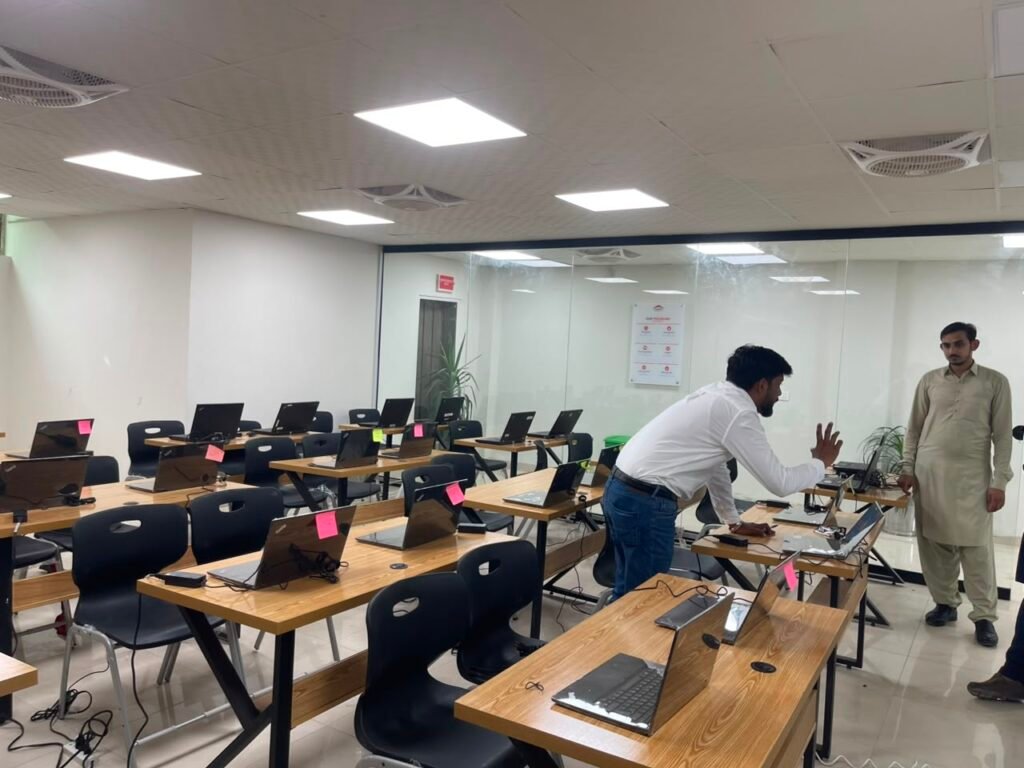
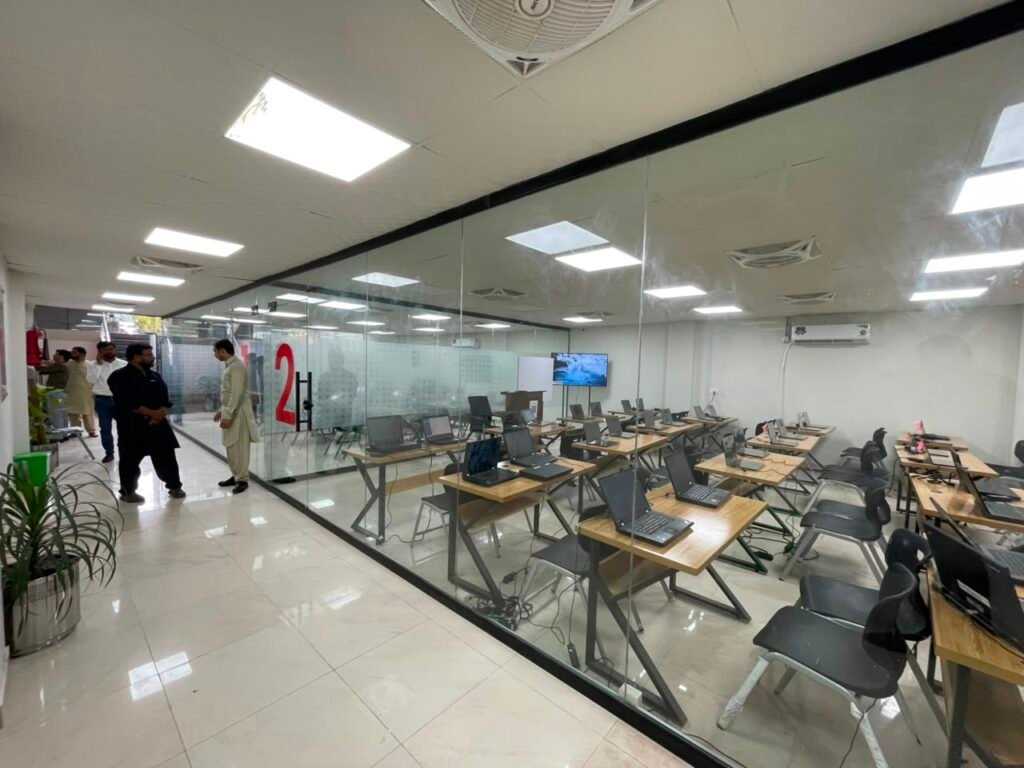
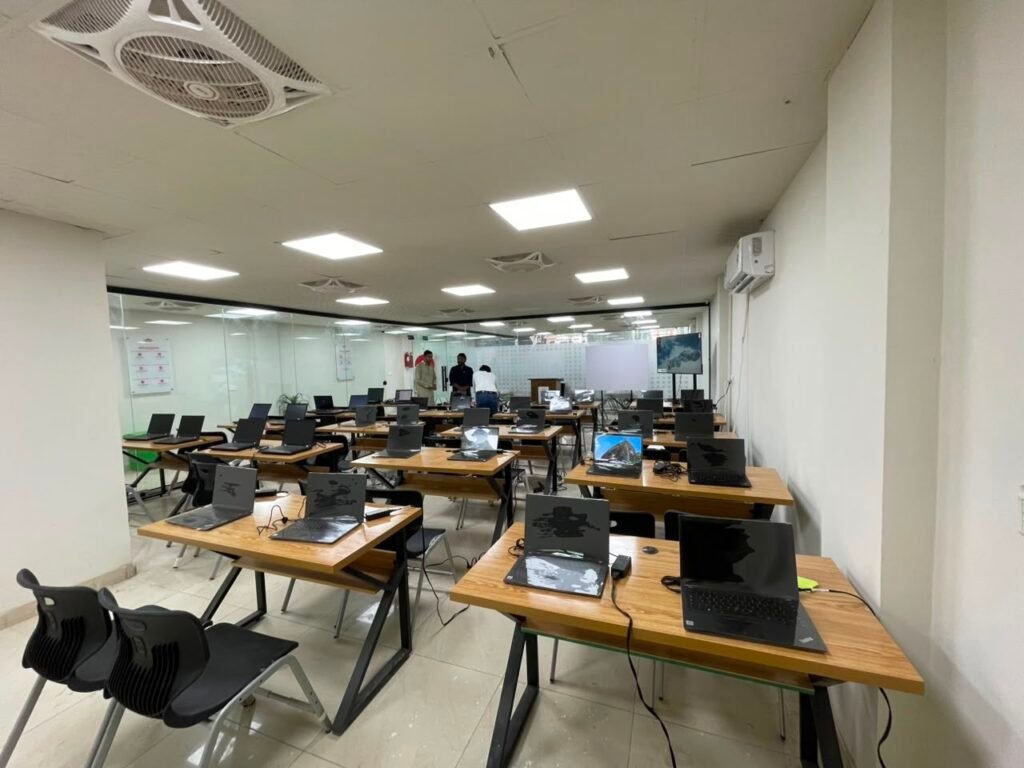
Corvit Sahiwal currently focuses on practical training in Artificial Intelligence, Cybersecurity and Ethical Hacking, Website Development, Digital Marketing, SEO, and Graphic Design and Video Editing. Explore current IT courses at Corvit Sahiwal
You can also read the Corvit Sahiwal guide to the best IT courses in Sahiwal after matric and intermediate if you are still comparing options.
The main question should not be, “Which course sounds impressive?”
Ask yourself, “What will I be able to do after learning this?”
That gives you a much better way to choose.
Common Mistakes Students Make After FSC or ICS
One common mistake is copying what friends are doing.
Your friend may enjoy coding. You may hate it.
That does not mean either of you is wrong.
Another mistake is choosing a field only because it is trending. AI may be popular, but that does not mean every student needs an AI career.
Students also make the mistake of collecting certificates without practising.
A certificate can support your profile. It cannot replace actual ability.
Do not ignore university either.
A short course can be valuable, but it should not automatically be treated as a replacement for long-term education.
Think about your goals first.
Then decide how formal education and practical skills can work together.
Frequently Asked Questions
What should I do after FSC or ICS if I want to enter IT?
Start by deciding whether you want to pursue a computing degree, learn a practical skill, or do both. Explore areas such as AI, cybersecurity, web development, digital marketing, SEO, and design. Pick one field first and build practical projects while you learn.
What is the best IT course after FSC or ICS?
There is no single best course for every student. Web development may suit students who enjoy coding. Cybersecurity can suit technical problem-solvers. Digital marketing suits students interested in business and advertising. Creative students may prefer graphic design and video editing.
Can an FSC student learn web development or cybersecurity?
Yes. An FSc background does not prevent you from entering technology. You may need to learn some computer or networking basics first, especially for cybersecurity, but you can build those skills step by step.
Can I do an IT course while studying at university?
Yes. Many students can manage one focused IT skill alongside university. Choose a schedule that does not interfere with your degree and avoid taking too many courses at once.
What to do after FSC or ICS?
After FSC or ICS, you can apply for a bachelor’s degree, learn a practical IT skill, or do both together. Your best option depends on your interests, career goals, and whether you prefer fields like AI, cybersecurity, web development, digital marketing, SEO, or design.
Which IT courses are available in Sahiwal after intermediate?
Corvit Sahiwal currently offers local training in AI, cybersecurity and ethical hacking, web development, digital marketing, SEO, and graphic design and video editing. Course availability, batch timings, and admission details should be confirmed before enrolling.
Final Thoughts
If you are still wondering what to do after FSC or ICS, do not put pressure on yourself to have your entire career planned immediately.
Start with a direction.
If you like coding, explore web development.
If you enjoy new technology and automation, look at AI.
If systems and security interest you, cybersecurity may be worth exploring.
If you enjoy business and social media, consider digital marketing.
If you like research and websites, look at SEO.
If you are creative, design and video editing may suit you.
You can continue university and learn a practical skill at the same time.
In many cases, that is a better approach than treating one as a replacement for the other.
If you are looking for IT courses in Sahiwal after intermediate, review the current training options at Corvit Sahiwal and compare the syllabus, practical work, schedule, and career direction before you choose.
Your first decision does not need to define your whole career.
It just needs to move you in a useful direction.